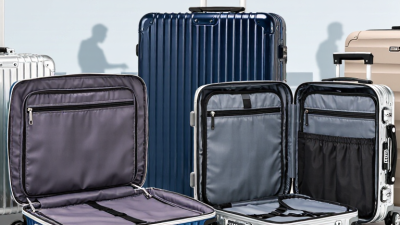
How to Choose the Best Hard Side Luggage?
Choosing the right Hard Side Luggage is not simply a matter of picking the largest case or the brightest color. A reliable suitcase should match your travel habits, packing style, and transport needs. A frequent flyer may value lightweight construction and smooth spinner wheels. A road traveler might prefer reinforced corners and a stronger frame.
Material deserves careful attention. Polycarbonate usually offers a useful balance between flexibility and impact resistance. ABS can cost less, but it may be less forgiving under repeated handling. Aluminum cases provide a distinctive look and strong protection, although they often weigh more. Weight matters too. A heavy empty case leaves less room for clothing and personal items.
Details matter.
Check the wheel housing, telescopic handle, zipper quality, and interior compression system. Roll the luggage across a hard floor if possible. Listen for rattling. Test whether the handle locks firmly at different heights. These small checks often reveal more than attractive product photos. Still, no material guarantees a perfect suitcase. Even premium luggage can receive scratches, develop wheel problems, or feel inconvenient after a long airport walk.
That advice can fail.
Your destination changes the decision. Smooth airport floors, crowded trains, uneven sidewalks, and rainy transfers place different demands on luggage. Reviews from verified buyers can offer practical evidence, but they should not replace specifications and warranty information. By comparing protection, weight, maneuverability, capacity, and repair support, travelers can make a more informed choice. The best case is not always the most expensive one. It is the case that performs reliably for your actual journeys.
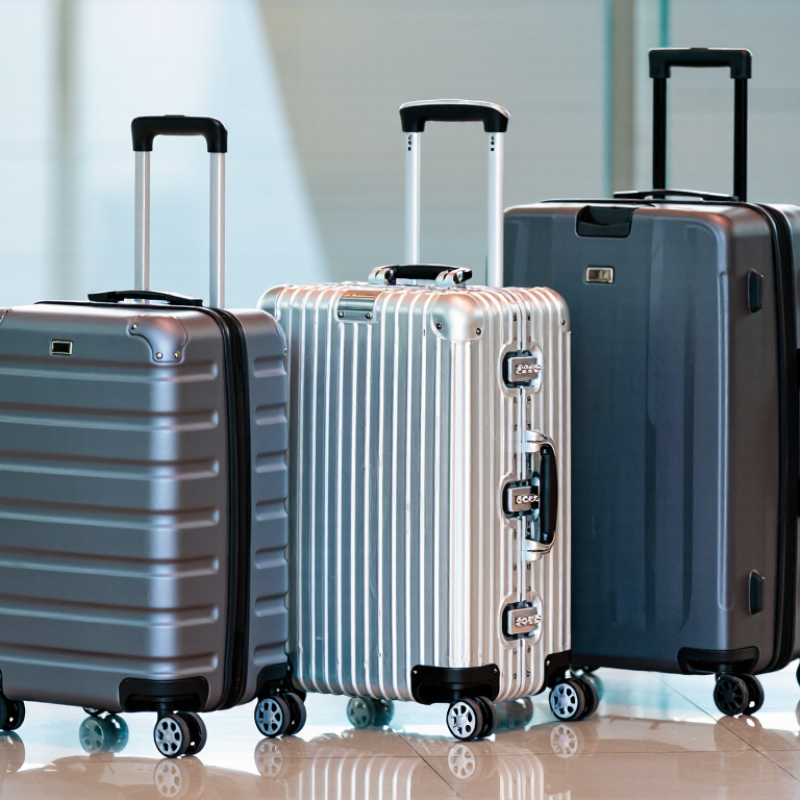
Set Trip Needs Against IATA’s 56 × 45 × 25 cm Cabin-Bag Guideline
Choosing the Best Hard Side Luggage
Before comparing shells, wheels, or locks, measure the suitcase. IATA’s commonly referenced cabin-bag guideline is 56 × 45 × 25 cm. Treat it as a useful benchmark, not a universal promise. Airlines may apply different limits, especially for weight and regional aircraft.
Measure every outside part. Include wheels, handles, corner guards, and expansion panels. A case measuring 56 cm without its wheels may exceed the limit at the airport. I once trusted a product listing and forgot the handle housing. It fitted poorly in the measuring frame. That mistake changed how I shop.
Hard side luggage should protect delicate items without wasting cabin space. Choose a rectangular interior with minimal wheel intrusion. Pack a jacket, two shirts, compact shoes, and a toiletry pouch before buying. Then check whether the lid closes without pressure. Room matters. A rigid shell can resist crushing, but it cannot create extra capacity.
Four smooth spinner wheels help on long terminal walks, although they may reduce interior width. Check the handle for wobble and test the zipper around curved corners. Water resistance also deserves attention, but no suitcase is automatically waterproof.
Keep a small margin below 56 × 45 × 25 cm. Measurements can vary slightly after manufacturing, and airport sizers are not always forgiving. Personally, I now value accurate dimensions over attractive compartments. Some useful features simply take space away.
Compare Polycarbonate, ABS, and Aluminum Shells by Weight and Durability
When choosing hard-side luggage, compare shell weight and durability together. A lighter case is easier to lift into an overhead compartment. However, low weight does not always mean better travel performance. Polycarbonate usually offers a strong balance. It can flex under pressure, then return to shape after rough handling. Its surface may scratch, but cracks are less common than with cheaper rigid plastics.
ABS is often lighter and less expensive than polycarbonate. It feels practical for occasional trips and shorter journeys. Yet, ABS can become brittle after repeated impacts or exposure to very cold temperatures. A dropped case may show white stress marks or a sharp split. This material can work well, but I would avoid overpacking it. The shell has less room to absorb pressure.
Aluminum provides excellent structural stiffness and a distinctive solid feel. It resists punctures better than many plastic shells, but it weighs more. Dents are also normal, even when the case remains usable. That detail matters. A perfect appearance is not a realistic durability test. During travel, check the empty weight, corner protection, hinge design, and handle movement. A thick shell with weak wheels still makes a poor case. I once favored maximum toughness and regretted carrying the extra weight through several stations. For frequent air travel, polycarbonate is often the sensible compromise. Choose ABS for lighter, limited-use travel, or aluminum when rigidity matters most.
Check 158 cm Linear Limits and Common 23 kg Checked-Bag Allowances
How to Choose the Best Hard Side Luggage?
When choosing hard side luggage, check its linear size before admiring its shell design. Add the height, width, and depth, including wheels, handles, and external fittings. Many checked-bag policies use a 158 cm total limit. A case measuring 78 × 50 × 30 cm equals 158 cm exactly. That leaves no room for measurement differences. I once overlooked the wheels and had to repack at the airport. It was avoidable.
A common checked-bag allowance is 23 kg, but this depends on the airline, route, fare, and ticket type. Select a suitcase that remains strong without becoming heavy itself. A sturdy case weighing four kilograms leaves more capacity for clothing and personal items. Use a luggage scale at home. Then check the current baggage information for your specific booking. Published allowances can change, and airport staff may measure unexpected parts.
Tips: Choose a case below 158 cm rather than exactly at the limit. Pack heavier items near the wheels for better balance. Test the handle with one hand. Inspect the wheel movement on uneven flooring. Leave about one kilogram of spare weight. It helps after last-minute purchases. Do not trust capacity claims alone; internal frames and lining reduce usable space. Hard shells protect well, but some can crack after rough handling. A replaceable wheel system may matter more than a glossy finish.
How to Choose the Best Hard Side Luggage? - Check 158 cm Linear Limits and Common 23 kg Checked-Bag Allowances
Use the total linear measurement—height + width + depth—to screen hard-side luggage against a 158 cm limit. Measurements should include wheels, handles, feet, and other external parts. The figures below are practical size ranges and calculations for standard checked luggage; always confirm the exact rules and fees with the operating airline.
| Luggage Category | Typical External Size (H × W × D) |
Linear Measurement | Approx. Capacity | Typical Empty Weight | Weight Remaining Under a 23 kg Allowance | Best Use | 158 cm Limit Assessment |
|---|---|---|---|---|---|---|---|
| Cabin-size hard case | 55 × 40 × 23 cm | 118 cm | 35–45 L | 2.5–3.5 kg | 19.5–20.5 kg | Short trips and carry-on travel, subject to cabin rules | Comfortably below the limit |
| Compact medium checked case | 65 × 42 × 27 cm | 134 cm | 55–70 L | 3.5–4.5 kg | 18.5–19.5 kg | Weekend trips or lighter packing for one person | Comfortably below the limit |
| Standard medium checked case | 70 × 45 × 28 cm | 143 cm | 65–80 L | 4.0–5.0 kg | 18.0–19.0 kg | One to two weeks of clothing for one traveler | Usually compliant |
| Large checked case | 75 × 50 × 30 cm | 155 cm | 85–105 L | 4.5–6.0 kg | 17.0–18.5 kg | Longer trips or shared packing | Within 158 cm, with only 3 cm of margin |
| Maximum-limit case | 78 × 50 × 30 cm | 158 cm | 90–110 L | 5.0–6.5 kg | 16.5–18.0 kg | Travelers needing high capacity while targeting the limit | At the limit; measure all external parts precisely |
| Extra-large case | 80 × 55 × 32 cm | 167 cm | 105–130 L | 5.5–7.5 kg | 15.5–17.5 kg | Bulky items or extended trips | Exceeds 158 cm; may incur oversized-bag charges or restrictions |
Selection rule: For a common 23 kg checked-bag allowance, a hard-side case around 70–78 cm high and no more than 158 cm in total linear dimensions usually offers a practical balance between capacity and compliance. Because hard cases have rigid shells, an overfilled case may not compress; leave room for the shell, expansion zipper, and protective packing materials.
Assess Wheels, Handles, Zippers, and TSA-Recognized Lock Features
How to Choose the Best Hard Side Luggage?
When testing hard side luggage, roll it across tile, carpet, and uneven pavement. Wheels should move quietly without pulling to one side. Spinner wheels offer easy direction changes, but smaller wheels may struggle over rough ground. Check the wheel housing for cracks and excessive movement. A little noise is acceptable. Wobbling is not.
Extend the handle fully and shake it gently. Strong handles should feel stable, with limited side-to-side movement. Press the release button several times because a sticky mechanism becomes frustrating during busy travel. Inspect the zipper teeth and corner stitching closely. The zipper should glide without catching, even around curved edges. I once trusted a smooth zipper too quickly; after packing, tension exposed its weakness.
Tips: Test it loaded. Place books inside and repeat every check. Make sure the case closes without forcing the zipper. A TSA-recognized lock can allow authorized security inspection without damaging the lock, but it does not guarantee that luggage will avoid inspection. Confirm the lock engages firmly and the number wheels turn clearly. Avoid choosing a lock only for appearance. Some attractive mechanisms feel loose after repeated use. Also check whether the handle, wheels, and zipper can be serviced locally. That practical detail is easy to overlook.
How to Choose the Best Hard-Side Luggage?
Practical feature assessment: wheels, handles, zippers, and TSA-recognized locks
Wheels and telescopic handles receive the highest practical priority because they directly affect mobility, load control, and long-term usability. Zippers should run smoothly and resist separation, while a TSA-recognized lock allows authorized airport security officers to inspect the case without forcing the lock open. Scores use a 10-point buying rubric rather than brand-specific test results.
Rank Warranty, Repairability, Weight, and Cost per Year of Use
How to Choose the Best Hard Side Luggage?
A strong shell is useful, but strength alone does not define value. SITA’s 2024 Baggage IT Insights reported 6.9 mishandled bags per 1,000 passengers in 2023. That makes wheel housing, corner protection, and replaceable handles practical priorities. Ask whether the warranty covers airline damage, cracked shells, wheels, and labor. Many warranties sound generous but exclude the failures travelers experience most.
Repairability deserves equal attention. Look for standard screws, removable wheels, and handles sold as separate parts. A suitcase costing $240 and lasting eight years costs $30 yearly. A $120 case lasting three years costs $40 yearly. Weight also affects real cost. The U.S. Bureau of Transportation Statistics tracks baggage fees across air travel, but fee rules vary by route and carrier. Check your usual limits before choosing a heavy frame. Every extra kilogram becomes annoying at the airport.
Tips: Photograph the luggage before each trip. Test the telescopic handle under pressure. Spin every wheel on a hard floor. Read exclusions carefully. I prefer replaceable parts, though I have learned that “repairable” can still mean unavailable parts. That is an uncomfortable detail. Keep receipts and record the model number. A five-year warranty means little without accessible service. Finally, compare total ownership cost, not the checkout price. Research from the European Environment Agency supports extending product life, but real savings depend on repairs being affordable and convenient.
Related Posts
-
How to Choose Hard Side Luggage in 2026?
-
How to Choose the Best Luggage for Your Travel Needs in 2023
-
How to Choose the Best Luggage for Travel?
-
7 Tips to Choose the Best Premium Luggage?
-
How to Choose the Best Durable Luggage for Your Travel Needs
-
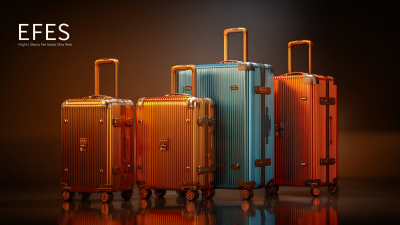
Elevate Your Travel Experience with Premium Hard Side Luggage Sets Proudly Made in China