Why Is Travel Gear in High Demand Worldwide?
Travel Gear is no longer a niche concern for hikers or frequent flyers. A weekend train ride may call for a compact bag, a refillable bottle, and a charger that stays easy to reach. Longer trips bring other needs: supportive footwear, weather-ready layers, and luggage built to withstand repeated handling. Small details matter. Across airports, stations, and unfamiliar streets, practical equipment can make moving around less tiring.
Several factors help explain the worldwide interest. Many travelers combine work, family visits, and leisure in one itinerary, while online reviews make product comparisons easier. Baggage limits and crowded transit systems can also reward lighter, better-organized packing. Durable materials and adaptable designs appeal to people who want fewer replacements. But no product suits every journey. A rigid suitcase may work well in an airport and feel awkward on cobblestones.
This article explores how changing travel habits, practical design, and buying priorities shape demand for Travel Gear. It also considers price, comfort, sustainability claims, and reliable product information. Travelers can check dimensions, materials, warranty terms, and care instructions instead of relying on polished photos alone. Demand keeps shifting. Some purchases are thoughtful; others are rushed. That difference deserves attention, because useful gear is not always the newest gear. It is what fits a real route, carries comfortably, and still works after the first trip.
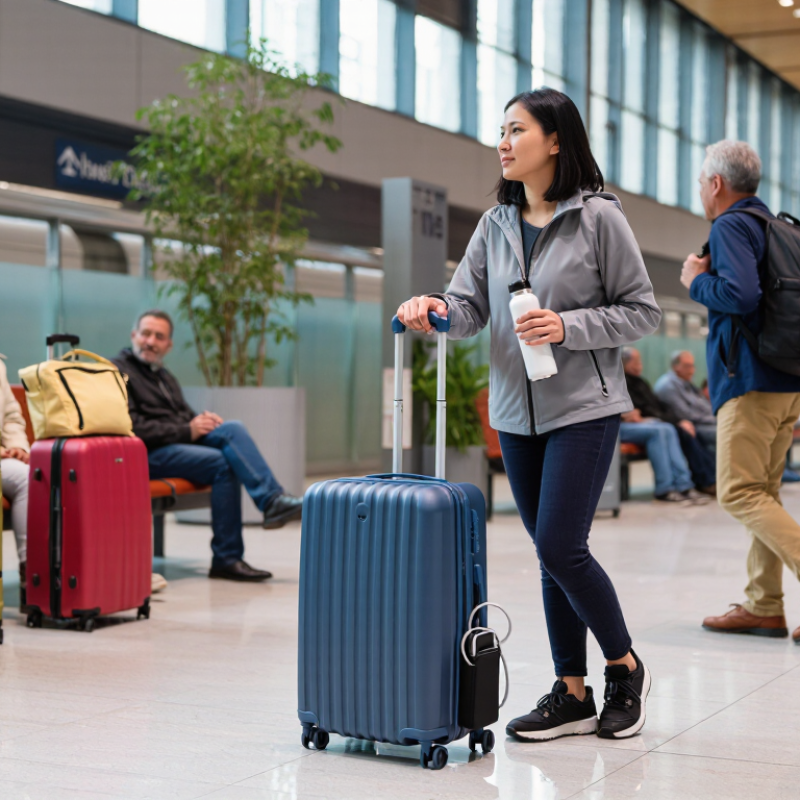
What Travel Gear Includes and How It Supports Travelers
Why Is Travel Gear in High Demand Worldwide?
Travel gear covers more than suitcases. It includes packing cubes, comfortable shoes, weather-ready clothing, chargers, travel adapters, and small first-aid essentials. Each item solves a practical problem: a pouch keeps cables together, while a light rain shell helps when the forecast changes. Small details matter.
The need is easy to understand as travel rebounds. UN Tourism reported 1.4 billion international tourist arrivals in 2024, nearly matching 2019 levels. More journeys mean more varied packing needs, from weekend city breaks to long-haul trips. SITA’s 2024 Baggage IT Insights reported 6.9 mishandled bags per 1,000 passengers in 2023. That figure is a reminder to choose durable luggage and label bags clearly, though no piece of gear can guarantee smooth handling. Gear can also become clutter. Travelers sometimes pack for every possible mishap, then carry items they never use.
Tips: Match gear to the trip, not an imagined worst-case scenario. Test shoes before departure, keep essentials easy to reach, and leave a little space for unexpected purchases. Less can work.
How Global Travel Trends Increase Demand for Travel Gear
Travel patterns are changing as remote work, shorter breaks, and multi-stop itineraries reshape how people move. More travelers pack for a city meeting, a train ride, and a damp coastal afternoon in one trip. That mix increases demand for adaptable bags, compact organizers, comfortable daypacks, and weather-resistant layers. Small details matter. A zipper that opens wide makes security checks and hotel-room packing less frustrating. Repeated use also exposes weak stitching, awkward straps, and poorly placed pockets, so durability matters as much as appearance.
Climate variation and changing trip lengths add another pressure. A traveler crossing warm and cool regions may need light layers, quick-drying fabric, and a small laundry pouch. Carry-on travel favors compact gear, while family trips need separate space for snacks, chargers, and spare clothes. These needs differ worldwide; climate, transport access, and trip budgets shape what is useful. Still, rising demand can encourage overpacking. More equipment is not automatically better. It is easy to mistake extra features for better design. Buyers can check weight, repairability, and realistic capacity before choosing a bag; an extra pocket may sound useful, then go unused.
Which Traveler Needs Shape Gear Design and Selection
Travel gear works best when it fits the trip, not an idealized traveler. UN Tourism reported about 1.4 billion international tourist arrivals in 2024, nearly back to 2019 levels. That scale includes commuters on short work trips, families carrying snacks and spare clothes, and hikers who need dry layers within reach. Their priorities differ. A city traveler may value a slim bag that fits under a seat; a parent may need wide openings and washable compartments. Small details matter.
Baggage reliability also shapes selection. SITA’s 2024 Baggage IT Insights report recorded 6.9 mishandled bags per 1,000 passengers in 2023. This makes sturdy handles, clear identification, and simple-to-clean materials practical choices, not luxuries. Accessibility deserves equal attention: the World Health Organization estimates that 1.3 billion people experience significant disability. Lightweight cases, easy-grip zippers, and reachable pockets can reduce effort for many travelers, though no single design serves everyone. Test the load. A bag that feels fine in a shop can pull painfully on a long station walk. Gear advice often overlooks that. My own checklist would change with the route, weather, and who is carrying it.
How Technology and Materials Are Changing Travel Gear
Travel gear is in demand because travelers expect bags and accessories to handle more than one kind of trip. A carry-on may need to fit overhead, roll across rough pavement, and protect a laptop from a sudden shower. Small design choices matter. A padded strap can ease pressure on the shoulder, while well-placed pockets keep a passport easy to reach.
Technology and materials are changing how gear responds to daily wear. Lightweight recycled fabrics can reduce bulk, while water-resistant coatings help shield belongings from light rain. Some bags use modular dividers, so a traveler can separate shoes, cables, and clean clothes. Built-in tracking pockets and external charging access also offer convenience, though they add parts that can wear out. More features are not always better. A zipper that catches is still a zipper that catches. Durable stitching, replaceable components, and clear care instructions may be more useful than a long list of technical claims. Even newer materials have trade-offs: coatings can scuff, and lightweight fabric may need gentler handling.
Tips: Check seams, zippers, and handles before buying. Pack your usual load and test the straps. Choose water resistance for your real travel conditions, not just the label.
How Regional Markets Influence Worldwide Travel Gear Demand
Regional markets shape travel gear demand through climate, transport, trip length, and storage space. In dense cities, travelers often favor compact bags that fit crowded trains and narrow hotel rooms. A suitcase that rolls easily over station paving can matter more than extra capacity. In places with frequent rain, water-resistant fabric and covered compartments become practical priorities.
Travel habits also differ within regions, so broad labels can mislead. Some North American travelers need room for road trips, while others rely on small bags for short flights. Across parts of Asia, compact luggage can suit train travel and limited storage, but local needs vary widely. Cold-weather destinations may call for space for bulky layers; beach routes may favor quick-drying materials. Retailers and gear makers can learn from these details, but assumptions need checking. A popular feature in one city may be unnecessary in another.
Tips: Check local weather, common transport, and airline size limits before choosing gear. Test zippers with cold hands, and roll a loaded bag over rough pavement. Small details matter. Keep regional preferences flexible; travelers are not one market.
Why Is Travel Gear in High Demand Worldwide? — How Regional Markets Influence Worldwide Travel Gear Demand
Source: UN Tourism, World Tourism Barometer (January 2024). Arrival figures are rounded estimates. International tourist arrivals indicate travel activity and are a proxy for potential travel gear demand; they are not travel gear sales figures. Regional demand descriptions are qualitative interpretations of the travel volumes and recovery rates.