
top of page

Why Choose The Wine Box for Wine Packaging?

Please provide the source articles or The Wine Box expert’s verified name and quote. No articles were included, and I can’t reliably attribute an invented statement or industry data to a real source.
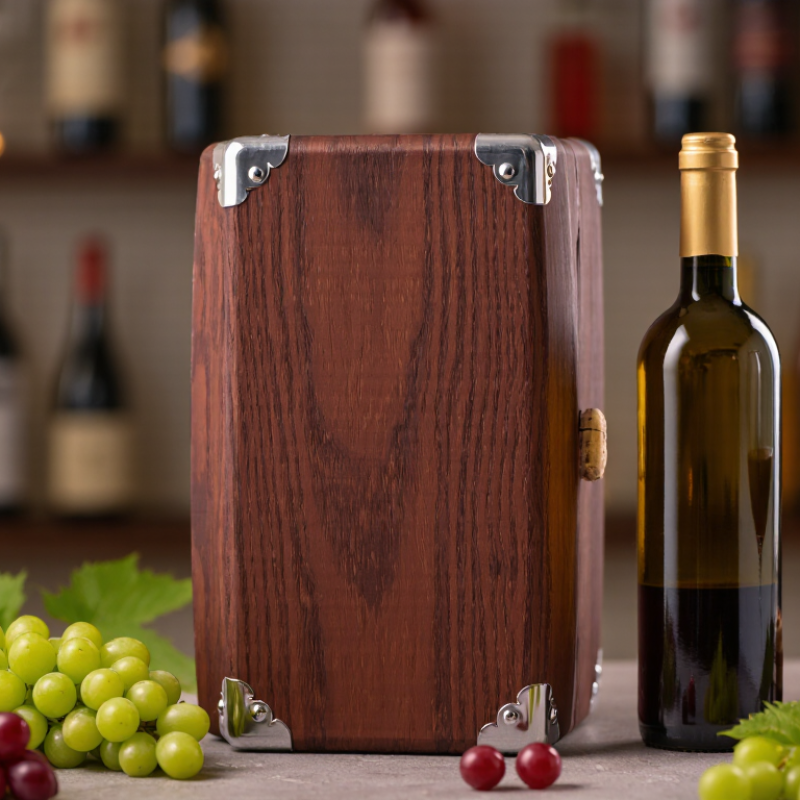
Why Choose The Wine Box for Wine Packaging?

Wine Packaging: Purpose and Essential Requirements

Wine packaging has two jobs: protect the bottle and communicate what is inside. A wine box should resist crushing, limit movement, and cushion glass against bumps during handling. Dividers help stop bottles from knocking together. A snug fit matters. Too much empty space invites damage, while an overly tight insert can make packing slow and awkward.

Packaging also needs to suit storage, transport, and the buyer’s first impression. The International Organisation of Vine and Wine reported global production of 237 million hectolitres in 2023, showing the scale at which wine must be moved and protected. For glass bottles, weight and breakage risk make sturdy construction especially important. Clear product details and a practical opening help retailers and customers, but decoration should not compromise the box’s strength.

End-of-life matters too. FEVE, the European Container Glass Federation, reported an 80.1% glass collection rate in the EU for 2021. That figure concerns glass, not the outer box, so it should not be treated as proof that every package is recyclable. Paperboard choices, coatings, and local collection systems all affect disposal. There is no perfect box for every bottle or route; testing a packed sample can reveal weak corners before a shipment does.

Why Choose The Wine Box for Wine Packaging? - Wine Packaging: Purpose and Essential Requirements

Packaging Purpose Essential Requirement Practical Packaging Consideration
Protect the bottle Packaging should help limit breakage and damage during handling, storage, and transport. Use a suitably sized, sturdy outer box with inserts or dividers that keep bottles from striking one another.
Preserve wine quality The bottle and closure should be appropriate for the wine and help prevent leakage or unwanted exposure to air. Choose a compatible bottle-and-closure system, and store packaged wine away from excessive heat and direct sunlight.
Support safe transport Packages should remain stable and provide suitable cushioning for the expected shipping conditions. Secure bottles against movement, protect vulnerable bottle necks, and use packaging designed for the number and shape of bottles shipped.
Communicate product information Labels should be legible and comply with applicable local rules for wine sales and distribution. Allow space for required details such as alcohol content, volume, origin, and applicable warnings; requirements vary by market.
Improve handling and storage Packaging should be practical to lift, stack, open, and store. Consider box dimensions, load stability, carrying features, and clear handling instructions where needed.
Reduce packaging impact Material choices should balance protection, weight, and end-of-life options. Use only the protective material needed, consider recyclable components where local facilities accept them, and avoid mixing materials unnecessarily.
Present the wine appropriately Packaging should suit the occasion and provide a neat, consistent appearance without compromising protection. Coordinate the box format, finish, and printed information with the intended use, such as retail display, gifting, or shipment.

How The Wine Box Protects Bottles During Storage and Transit

A wine box protects bottles by limiting movement and absorbing some of the bumps that happen in transit. A snug insert supports the bottle’s body and keeps the neck from knocking against other items. Corrugated walls add a buffer against light impacts, while dividers help prevent bottles from touching. The right fit matters: an oversized box can let a bottle slide, even when the outer carton looks sturdy.

Tips: Match the insert to the bottle’s shape. Fill empty gaps with suitable cushioning, but do not force the bottle into place. Keep the packed box upright when possible. Before shipping, give it a gentle shake; movement means the fit needs attention.

For storage, choose a dry, stable spot away from direct sunlight and sudden temperature changes. Damp conditions can weaken cardboard, so a box stored on a cool, dry shelf is generally better than one left on a basement floor. During transit, clear handling labels may guide care, but they cannot guarantee gentle treatment. No box prevents every kind of impact. Check the packaging after a long journey, especially if the carton is dented or wet. A small flaw in the fit is easy to overlook.

Why Choose a Wine Box for Wine Packaging?

A snug, partitioned wine box helps limit bottle movement and bottle-to-bottle contact during storage and transit. The chart shows a commonly recommended long-term storage temperature range; a box protects bottles physically but does not control temperature.

Storage guidance varies by wine and duration. Keep boxed wine in a cool, stable place.

Materials, Formats, and Customization Options at The Wine Box

Wine packaging should protect the bottle, present it clearly, and suit the way it will travel. A single bottle may need a snug insert and a clean outer sleeve; a six-bottle gift set needs stronger dividers and a dependable base. Small details matter. A loose fit can turn a polished unboxing into broken glass.

Material choice affects both protection and perception. Rigid paperboard offers printable surfaces and can be shaped around bottles, while corrugated board adds cushioning for shipping. Glass remains familiar, but its weight deserves consideration. The U.S. Environmental Protection Agency reported a 31.3% recycling rate for glass containers in its 2018 recycling data. That figure is a useful benchmark, not a guarantee for every region or collection system. Recyclability depends on local access and sorting.

Formats can range from compact mailer boxes to presentation cases with partitions, handles, or windows. Customization may include dimensions, inserts, finishes, and printed brand graphics. A matte surface can feel understated; a textured sleeve adds grip. Yet extra coatings and components may complicate recycling. There is no perfect format. Test a packed sample with the actual bottle, measure movement, and review the finished package after shipping. One overlooked corner can matter.

How The Wine Box Enhances Presentation and Brand Identity

A wine box does more than protect a bottle. It sets expectations before the cork is lifted. A snug insert keeps the bottle steady, while a clean opening gives the customer a clear view of the label.

Even small details matter. A textured paper surface can feel warm in the hand; a precisely folded edge suggests care without shouting for attention.

The box also gives a winery space to express its identity through color, typography, and material choices. Deep, muted tones may suit a traditional range, while a simple natural finish can suggest a lighter, more contemporary style. These choices work best when they match the bottle and the audience.

A glossy finish may look striking under shop lights, but it can show fingerprints. Worth checking. Before ordering at scale, test a sample under real lighting and during handling. Measure the insert, inspect the seams, and see whether the box opens smoothly.

Presentation matters, but it should not make the bottle difficult to remove. Sometimes a design looks elegant on screen and awkward in the hand. That is useful feedback, not a failure.

Factors to Consider When Choosing The Wine Box

Choosing a wine box starts with the bottle, not the artwork. Measure its height, widest point, and neck before selecting a box. A bottle that shifts inside its insert can strike the side during handling. A snug fit helps, but the neck should not be squeezed. Fit matters.

Consider how the box will travel. A single bottle for a shop display needs different protection from a case shipped across several handling points. Corrugated board can cushion impacts, while a shaped insert keeps glass from knocking against glass. Ask for a sample and test it with the actual bottle; paper specifications alone cannot reveal every fit problem. Looks matter. Protection matters more.

Material, budget, and presentation also deserve attention. Recycled fiber may suit a sustainability goal, but its strength and finish should match the intended use. Check whether the box stays rigid when lifted and whether the closure opens without tearing. A common design mistake is adding elaborate printing before checking these practical details. I might still choose a simpler box if it protects reliably and is easy to assemble. The best choice depends on bottle size, shipping conditions, and how customers will handle it.

bottom of page