Why Choose a Flat Bottom Pouch for Packaging?
A Flat Bottom Pouch gives products a stable base, a broad front panel, and room for clear branding. On a shelf, it can stand upright like a small carton while retaining the flexible format of a pouch. That combination can help brands present coffee, snacks, pet food, and other dry goods neatly. It also makes the pack easier to handle during filling, storage, and display. But the format is not a cure-all. Its performance depends on material choice, seal design, filling equipment, and the product itself.
Industry data shows why flexible packaging merits attention. The Flexible Packaging Association’s 2023 State of the U.S. Flexible Packaging Industry report put U.S. flexible packaging sales at $42.9 billion in 2022. That figure covers the wider category, not flat-bottom pouches alone. It signals a substantial market, but does not prove that one pouch style suits every brand. Buyers should compare barrier needs, shelf-life targets, line compatibility, and end-of-life options with qualified suppliers. A pouch that looks polished can still disappoint if its seals fail or its materials do not protect the contents. Small details matter. Before choosing a Flat Bottom Pouch, test real product samples and review performance data under expected storage conditions. The right choice balances shelf impact with practical protection, reliable production, and honest sustainability claims.
What Defines a Flat Bottom Pouch?
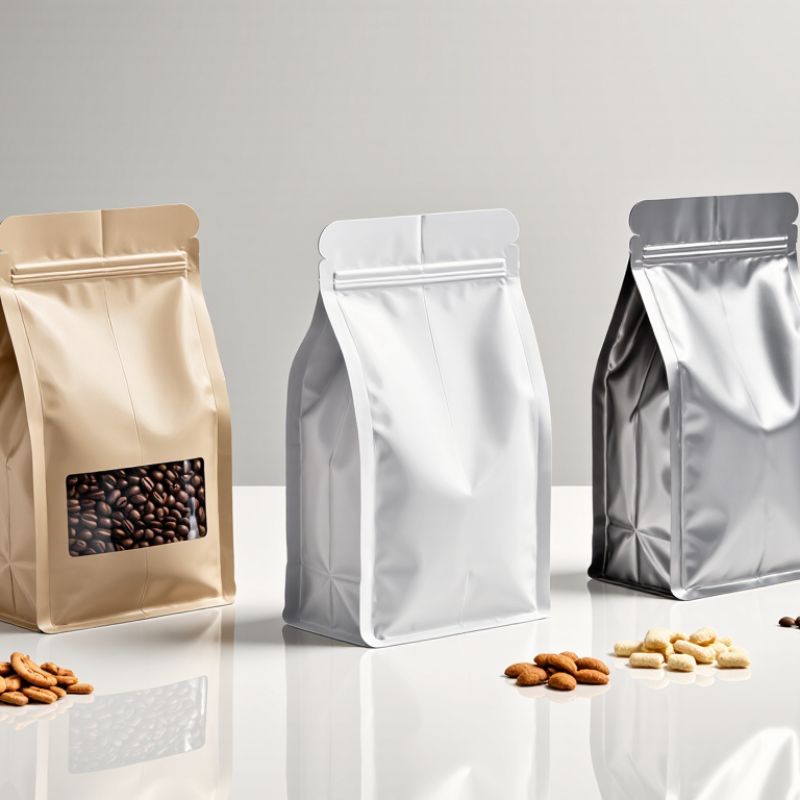
A flat bottom pouch is a flexible package with a broad, stable base and upright side gussets. When filled, the base opens into a box-like shape, helping the pouch stand on a shelf. It often has a front panel, back panel, and bottom panel, though exact construction varies. It stands upright. That simple feature can make products easier to display and store than in a pouch with a narrow folded base.
The shape also offers a practical balance between shelf presence and flexible storage. Empty pouches can be stacked flat before filling, while filled ones hold their form reasonably well. Many designs include a resealable zipper or a tear notch, but these are optional features, not what defines the pouch. Material layers determine how well it resists moisture, oxygen, or light. Check the product’s needs before choosing a structure; a sturdy-looking pouch is not automatically a strong barrier. Some details can be easy to overlook.
Tips: Ask for a filled sample and test whether it stands on your actual shelf. Check the seal, base stability, and opening experience. A small trial run can reveal issues that a flat sample may hide.
Why Choose a Flat Bottom Pouch? What Defines Its Structure?
A typical flat bottom pouch is formed from five panel sections: one front panel, one back panel, two side gussets, and one bottom panel. The gussets expand to create a stable, flat base.
How Does Its Structure Support Packaging?
Why Choose a Flat Bottom Pouch for Packaging?
How Does Its Structure Support Packaging?
A flat bottom pouch uses a broad, rectangular base and side gussets to create a stable footprint. When filled, the base opens and helps distribute weight across the bottom rather than concentrating it at one narrow point. The pouch can stand upright on a shelf, while its front and back panels provide clear areas for product information. That matters on crowded shelves. During filling, the gussets fold inward, helping the empty pouch store compactly; after filling, they expand to form the package’s shape.
The Flexible Packaging Association’s 2023 State of the U.S. Flexible Packaging Industry report recorded $42.9 billion in U.S. flexible packaging sales for 2022. That figure describes a broad packaging category, not flat bottom pouches alone. Still, it shows the scale of demand for adaptable formats. In practice, performance depends on details: film stiffness, seal width, pouch dimensions, and product weight all affect whether a filled pouch stands securely. A sample filled and tested under real handling conditions offers more useful evidence than shape alone.
Smithers estimated the global packaging market at $1.17 trillion in 2023 in The Future of Global Packaging to 2028. A flat bottom design can support efficient shelf presentation, but it is not automatically the best fit. Heavy contents may stress seals; fine powders can collect in corners. Those trade-offs deserve testing before production.
What Advantages Does It Offer for Storage and Display?
A flat bottom pouch can stand upright without a display tray, giving products a steady, face-forward position on shelves. Its broad front panel leaves room for clear product details, while the gusseted base helps the pouch keep its shape. In a storeroom, filled pouches can sit upright in cartons and are easier to count at a glance. Small advantage, but useful.
The Flexible Packaging Association’s 2023 State of the U.S. Flexible Packaging Industry report estimated the sector’s 2022 sales at $42.9 billion. That figure reflects the scale of flexible packaging, not proof that every pouch format suits every product. Flat bottom pouches can improve shelf organization, but their final footprint depends on fill volume, material stiffness, and seal design. I would test a filled sample on the actual shelf; a pouch that looks stable empty may lean once loaded.
Tips: Check stability with the heaviest expected fill. Measure the pouch’s base and height against shelf depth, and leave room for shoppers to grasp it. Also inspect how the front panel looks under store lighting. A little glare can hide important details.
Which Products Suit Flat Bottom Pouch Packaging?
Flat bottom pouches suit dry products that benefit from a stable base and clear shelf presentation. Coffee beans, ground coffee, tea, rice, lentils, nuts, and baked snacks are common candidates. The pouch stands upright, making labels easier to see and shelves easier to arrange. A wide opening can also help with filling and pouring. For products sold in smaller portions, a zipper may support repeated opening, though it cannot replace careful handling.
Best suited? Products with different needs still require different pouch materials. Coffee may need protection from oxygen and moisture, while crisp snacks can lose texture if moisture enters. Powders need a reliable seal around the top and corners. Match the barrier layer and closure to the product, storage conditions, and expected shelf life. A pouch that looks sturdy is not proof of protection. Test it with the actual product and filling process; this step is easy to overlook. Very heavy, sharp-edged, or liquid products may need another format or extra design checks. Even then, the right choice depends on transport, shelf space, and how customers use the package.
What Factors Should Guide Your Packaging Choice?
Choosing a flat bottom pouch starts with the product, not the shelf photo. Check whether it needs a moisture, oxygen, or light barrier, and how long it must stay fresh. Powders need stable seals and clean filling; oily snacks may need stronger barrier layers. Ask your packaging supplier for test data that matches your product and storage conditions. A pouch that stands neatly is not automatically protective.
Then check the filling line, shipping format, and disposal options. The OECD’s Global Plastics Outlook (2022) reports that packaging generated 40% of global plastic waste in 2019. That figure makes end-of-life planning hard to ignore. Ask whether the proposed material is accepted by recycling facilities in your main markets. “Recyclable” on a specification sheet may not mean locally recyclable. The U.S. EPA’s 2018 waste report also counted 82.2 million tons of containers and packaging in municipal solid waste, or 28.1% of the total.
Finally, compare the full cost: pouch, zipper, printing, filling speed, freight, and rejected packs. Flat bottoms can create a broad display face and stand upright, but gussets and seals add design choices. Request samples and run them on your actual line. Small details matter. A pouch may look perfect on a desk, yet wrinkle or tip during filling. Test before committing, and leave room to revise the specification.