What Are the Top Types of Travel Cases in 2026?
Travel Cases are becoming more than simple containers for clothes. They help travelers manage crowded terminals, protect fragile items, and keep essentials within reach. The International Air Transport Association’s December 2024 outlook projected 5.2 billion air passengers in 2025. That forecast is not a direct measure of 2026 luggage demand, but it signals the scale of modern air travel.
Baggage handling matters, too. SITA’s 2024 Baggage IT Insights report recorded 6.9 mishandled bags per 1,000 passengers in 2023. The figure offers useful context, though it cannot predict what will happen to any individual suitcase. Small details count.
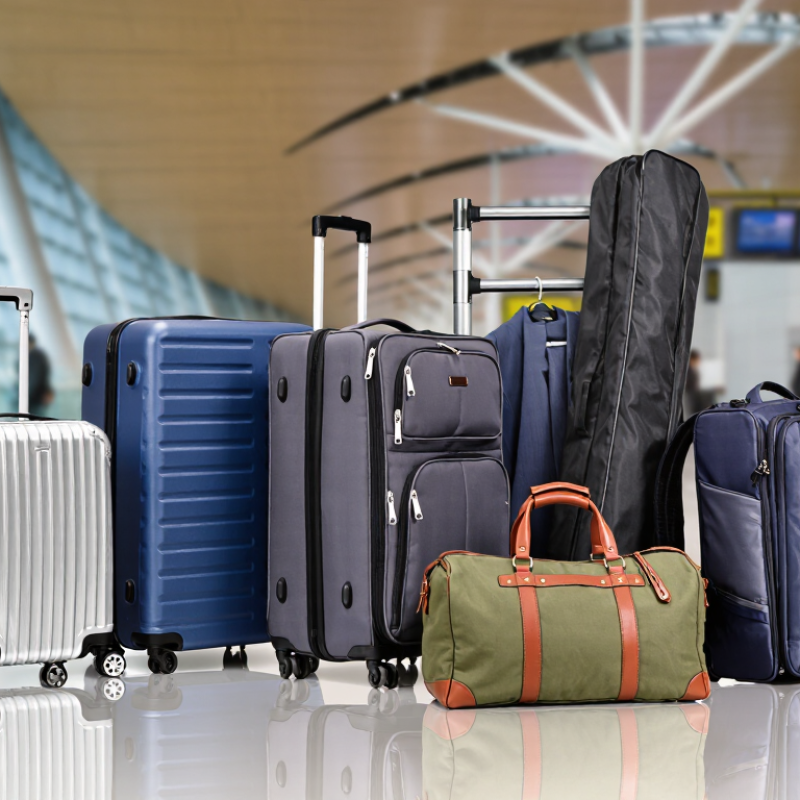
This guide compares the leading case types travelers may consider in 2026: wheeled carry-ons, checked hard-shell cases, soft-sided luggage, duffel bags, garment cases, and travel backpacks. Each serves a different purpose. A compact spinner can glide across a polished airport floor, while a soft-sided case may offer flexible exterior pockets. Hard shells can help shield packed items, but they may add weight. No single design suits every trip.
The right choice depends on journey length, packing habits, storage needs, and the carrier’s current size and weight rules. Those rules can vary, so check them before departure. This overview draws on reported travel-industry data and practical product differences, while recognizing one limitation: “top” does not always mean best for you.
What Defines a Travel Case in 2026?
What Defines a Travel Case in 2026?
In 2026, a travel case is more than a container for clothes or equipment. It protects belongings, keeps essentials easy to find, and suits the way someone travels. That might mean a compact hard-sided case for fragile items or a soft-sided organizer for flexible packing. Useful designs often balance protection, weight, access, and durability. No case does everything well.
Materials and layout matter more than a long feature list. A sturdy handle should feel secure when the case is fully packed. Smooth, reliable zippers and reinforced corners can help with frequent handling. Inside, separate compartments make it easier to keep chargers, toiletries, or clean clothing apart. For air travel, check current airline size and weight limits before buying; requirements can vary. A built-in tracking pocket may be convenient, but it cannot replace keeping an eye on your belongings. Some clever features add bulk, and that trade-off is easy to overlook.
Tips: Pack the case as you normally would before judging its size. Lift it, roll it over a rough surface, and check whether you can reach small items without unpacking everything. A little inconvenience may still be worth it if the case protects what matters most.
How Hard-Shell and Soft-Sided Cases Differ
What Are the Top Types of Travel Cases in 2026?
How Hard-Shell and Soft-Sided Cases Differ
Hard-shell cases suit travelers who want a firm barrier around fragile items. Their molded panels resist everyday scuffs and light rain, but corners can crack under severe impact. A rigid case also offers little give when overhead bins are crowded. Soft-sided cases flex more easily and often include quick-access pockets. That can help when carrying a jacket or travel documents. Fabric may absorb moisture, though, and packed contents have less structural protection. Neither is foolproof.
The difference matters in a busy baggage system. SITA’s 2024 Baggage IT Insights report recorded 6.9 mishandled bags per 1,000 passengers in 2023. Of those, 74% were delayed and 18% were damaged or pilfered. The report does not compare case materials, so it cannot prove one style prevents damage. It does show why sturdy handles, secure zippers, and clear identification deserve attention.
ACI World estimated global passenger traffic reached 9.5 billion in 2024. For frequent flights, wheel quality and a comfortable grip may matter more than shell type. Check how a loaded case rolls across a rough sidewalk, not just a showroom floor. Small detail, big difference. I still find the trade-off awkward: soft cases can squeeze into tight spaces, while hard cases stack neatly and wipe clean. No perfect winner. Choose based on what you pack, how you travel, and whether you value flexibility or a firmer outer barrier.
Which Travel Cases Work Best for Carry-On Trips?
For most carry-on trips, a soft-sided cabin case or compact hard-shell spinner works well. Soft-sided cases often fit more easily into tight overhead spaces, and outer pockets keep a book or light jacket within reach. A hard-shell case protects packed items from bumps and wipes clean after a rainy walk to the terminal. Four spinner wheels make a crowded aisle easier to navigate, though they can add weight and catch on uneven pavement.
Small detail. Big difference.
If you want to keep essentials under the seat, choose a structured underseat case with a padded sleeve and a wide-opening main compartment. It can hold a tablet, snacks, and a spare layer without slowing you down at boarding. For short business trips, a slim garment case may help reduce creases, but it can be awkward when you also need room for shoes. Measure the case when fully packed, including wheels and handles, and compare it with your airline’s current carry-on limits.
Those limits vary.
A case that fits one plane’s overhead bin may not fit another’s. Honestly, it is easy to underestimate how much a full case bulges. Pack once, then check the fit before leaving home.
When to Choose Garment, Cosmetic, or Specialty Cases
What Are the Top Types of Travel Cases in 2026?
When to Choose Garment, Cosmetic, or Specialty Cases
A garment case makes sense when wrinkle-prone clothing needs to arrive ready to wear. Choose one with a hanging design, a secure closure, and enough room for your actual outfit. A stiff shell can protect folded items, but it may take up more space than expected. Check the interior length against a jacket or dress before buying. Small details matter.
Cosmetic cases suit toiletries and makeup that need separation from clothing. Look for wipe-clean lining, divided pockets, and a closure that stays shut when the case is tilted. A clear compartment can make small items easier to find, though it may show spills quickly. Keep liquids upright where possible, and avoid packing the case so tightly that caps press against its sides. A roomy case is not always a better one.
Specialty cases work best when ordinary luggage leaves an item loose or exposed. A padded case can help organize camera equipment, delicate accessories, or grooming tools. Match the padding and compartments to what you carry; oversized spaces let items shift, while tight slots can be frustrating. Consider weight, handle comfort, and how often you need access during transit. The perfect layout is hard to predict. Test your packing routine at home, then adjust it after a trip.
How to Match a Travel Case to Your Trip and Packing Needs
A travel case should match the trip, not just look sturdy on a shelf. A compact carry-on suits short stays and frequent transfers, especially when you need essentials close by. For road trips or longer holidays, a checked suitcase offers more room for shoes, layers, and souvenirs. A soft-sided case can squeeze into a crowded car trunk; a hard-shell case can protect fragile items, but it may be less forgiving when overpacked. Don’t confuse capacity with convenience.
UN Tourism’s January 2025 World Tourism Barometer reported about 1.4 billion international tourist arrivals in 2024, nearly 99% of 2019 levels. That variety of travel makes one case size unlikely to suit every itinerary. Match the case to your transport, trip length, and packing habits. Check your airline’s current carry-on dimensions before buying; allowances vary. There is no perfect case. Extra capacity can quietly become extra weight.
Tips: Measure before you buy. Pack a sample load, then test the handle, wheels, and zippers. For a weekend away, leave some space rather than filling every corner. If you are unsure, write down what you actually carry on your next trip; the list may be less predictable than expected.