
Top 10 Corrugated Roll Suppliers for Global Buyers
Choosing the right Corrugated Roll supplier requires more than comparing prices. Global buyers must examine roll quality, production capacity, delivery reliability, and technical support. A supplier may offer attractive rates, yet inconsistent flute profiles can damage board strength and increase waste.
Walter Soroka, a recognized packaging author, describes packaging as “the science, art and technology of enclosing and protecting products.” His observation also applies to Corrugated Roll production. The roll affects compression strength, print performance, converting speed, and product protection during transport. Small variations in paper moisture or roll hardness can create visible problems on the production floor.
This guide reviews ten suppliers serving international buyers. Each company is considered through practical criteria, including material consistency, machinery, certifications, export experience, customization, and after-sales response. Factory capabilities matter. So does communication.
Look closely.
The best supplier is not always the largest one. A smaller manufacturer may provide faster technical feedback and more flexible order quantities. However, limited capacity can create delays during peak seasons. That trade-off deserves honest attention.
Some supplier information can change over time. Certifications expire, equipment is upgraded, and shipping conditions fluctuate. Buyers should verify current documents, production samples, and reference markets before signing an agreement. That step is sometimes skipped, and it can become expensive.
The following selection is designed to support careful comparison. It does not replace factory audits or independent testing. Instead, it offers a practical starting point for buyers seeking dependable Corrugated Roll partners across global markets.
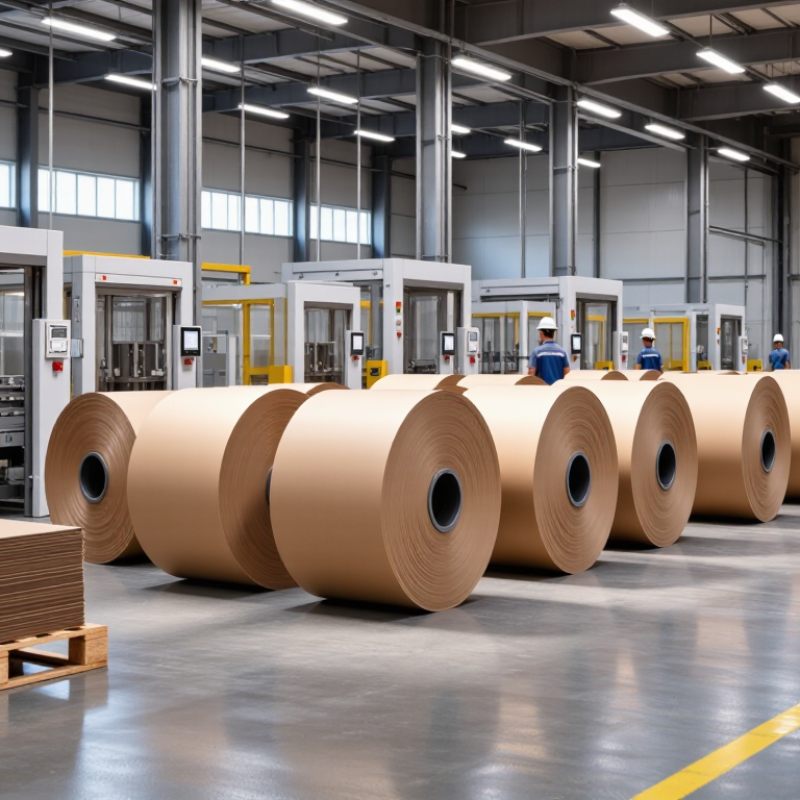
What Corrugated Rolls Are and Why They Matter
Corrugated rolls are continuous sheets of fluted paperboard wound into compact reels. The fluted middle layer absorbs shocks, while the outer liners provide stiffness and printable surfaces. Common structures include single-wall and double-wall formats. They support protective wrapping, edge protection, and custom packaging conversion.
The market is substantial. FEFCO reported nearly 49 billion square metres of corrugated packaging production in Europe during 2023. FAOSTAT recorded global paper and paperboard production at roughly 417 million tonnes in 2022. These figures show the scale behind everyday boxes and protective materials. However, volume alone does not prove quality. Roll width, flute height, basis weight, moisture content, and winding tension affect performance during converting and transport.
A roll stored beside an open loading door may soften before use. This detail is easy to miss.
For global buyers, supplier assessment should include compression testing, edge crush testing, and batch traceability. The International Safe Transit Association recommends performance testing that reflects real distribution hazards, including vibration and compression. In practice, specifications often look precise, yet warehouse conditions remain unpredictable. I would also request production samples from different batches. One sample can hide variation. A lower-priced roll may create more waste through jams, crushed edges, or unstable stacking. That risk deserves calculation, not guesswork.
How to Evaluate Corrugated Roll Suppliers Worldwide
How to Evaluate Corrugated Roll Suppliers Worldwide Global buyers should evaluate corrugated roll suppliers through measurable production evidence, not attractive quotations. Request recent test reports for basis weight, moisture, thickness, burst strength, and edge crush performance. The supplier should explain its testing method and calibration schedule. ISO 3037 and ISO 536 references can improve comparison between countries. Ask for retained samples, too. Real performance matters.
Sustainability claims require careful checking. CEPI’s 2023 preliminary statistics reported a European paper recycling rate of 79.3% for 2022. A supplier using recovered fiber should disclose fiber percentages, sourcing regions, and contamination controls. AF&PA reported a 60.8% U.S. paper recovery rate for 2023. These figures show progress, but they do not prove every roll is responsibly sourced. Look for chain-of-custody documents and batch-level records.
Delivery reliability needs practical testing. Review twelve months of on-time shipment data, average lead times, minimum order quantities, and claim-resolution records. Inspect roll edges, winding tension, splice placement, and core strength before approving production. One loose edge can damage a high-speed corrugator. It happens. Suppliers should also provide contingency plans for pulp shortages, port delays, and moisture exposure. Fastmarkets RISI pricing reports can help buyers compare changes in containerboard and recovered-paper costs. Price alone is a weak signal. I would still question unusually low offers, because hidden waste, inconsistent moisture, or unstable grammage may appear later.
Profiles of the Top 10 Corrugated Roll Suppliers
Global buyers often compare ten supplier profiles before placing a corrugated roll order. One supplier may specialize in high-strength kraft rolls for heavy cartons. Another may offer recycled-content materials with stable basis weight. A third focuses on narrow-width rolls for automated packaging lines. Some suppliers provide moisture-resistant coatings for humid warehouses. Others support lightweight rolls that reduce shipping weight. The strongest profiles show clear flute options, roll diameters, core sizes, and production capacity. They also explain how they control moisture and edge damage during storage.
The remaining suppliers may serve regional demand, custom widths, or short production runs. One profile may stand out through fast sampling and practical technical support. Another may offer multi-site production, reducing supply disruption risks. A reliable supplier shares recent test data, including burst strength, compression results, and grammage tolerance. Ask how rejected rolls are handled. Do not trust polished claims alone. A missing detail can matter later.
Tips: Request a physical sample before approval. Check roll width with a calibrated ruler. Measure moisture after delivery, not only at the factory. Confirm core dimensions with your machine operator. Review packaging photos and loading procedures. Clarify lead times, inspection methods, and replacement terms in writing. I have seen buyers focus on price and overlook winding tension. That mistake can create feeding problems on the production line. Supplier rankings are useful, but factory evidence deserves greater weight.
Comparing Product Quality, Capacity, and Export Services
Top 10 Corrugated Roll Suppliers for Global Buyers
Global buyers should assess corrugated roll suppliers through measurable production evidence, not catalog claims. Smithers reports that the global corrugated packaging market already exceeds USD 200 billion, increasing demand for stable, high-speed converting equipment. This pressure makes roll accuracy critical. Buyers should request surface hardness data, flute-profile tolerance, runout results, and coating specifications. A roll with uneven wear can create vibration, crushed flutes, and costly paper waste. Small defects matter.
For a practical top-ten comparison, examine each supplier’s machining capacity, heat-treatment controls, and inspection process. Larger facilities may offer shorter lead times, but capacity alone proves little. Ask for recent production samples, dimensional reports, and references from plants using similar paper widths. ISO 9001 certification supports process discipline, yet it does not guarantee excellent roll performance. That distinction is often missed.
Export service deserves equal attention. The World Bank’s Logistics Performance Index shows that customs reliability and shipment tracking strongly affect international delivery outcomes. Strong suppliers provide export-grade crating, moisture protection, harmonized-code support, and clear replacement terms. They should also explain spare-part availability across regions. Air freight sounds fast, but oversized rolls can make ocean transport more practical. Delivery promises can still fail when drawings are incomplete or approval cycles are ignored. Buyers should record these risks before comparing prices.
Key Questions for Selecting the Right Global Supplier
Top 10 Corrugated Roll Suppliers for Global Buyers
Key Questions for Selecting the Right Global Supplier
Choosing a corrugated roll supplier requires more than comparing prices. Ask which paper grades, flute profiles, and roll widths the factory can produce consistently. Request recent test reports for burst strength, moisture, compression, and dimensional accuracy. A reliable supplier should explain its testing process clearly, not hide behind general claims.
Can the supplier provide production samples before a larger order? What is the normal lead time during peak seasons? Does the team understand export packaging, pallet stability, labeling, and document accuracy? Check whether raw materials are traceable and whether quality records are available. References from similar industries can reveal practical problems that brochures never mention. Capacity matters, but realistic capacity matters more. An impressive figure may not reflect your required specification.
Tips: Compare at least three quotations using the same technical details. Confirm tolerances in writing. Inspect sample rolls for edge damage, uneven winding, dust, and loose layers. Ask how complaints are investigated and corrected. Keep communication records.
Do not judge a supplier by fast replies alone. Technical answers should be precise. A small unanswered question may become a costly production delay. No checklist is perfect. Weather, port congestion, and changing paper costs can still affect delivery. Build a reasonable buffer, and review the supplier after each shipment. Reliability grows through evidence, not promises.