top of page

China Top 10 What Does OBD Mean In Logistics?

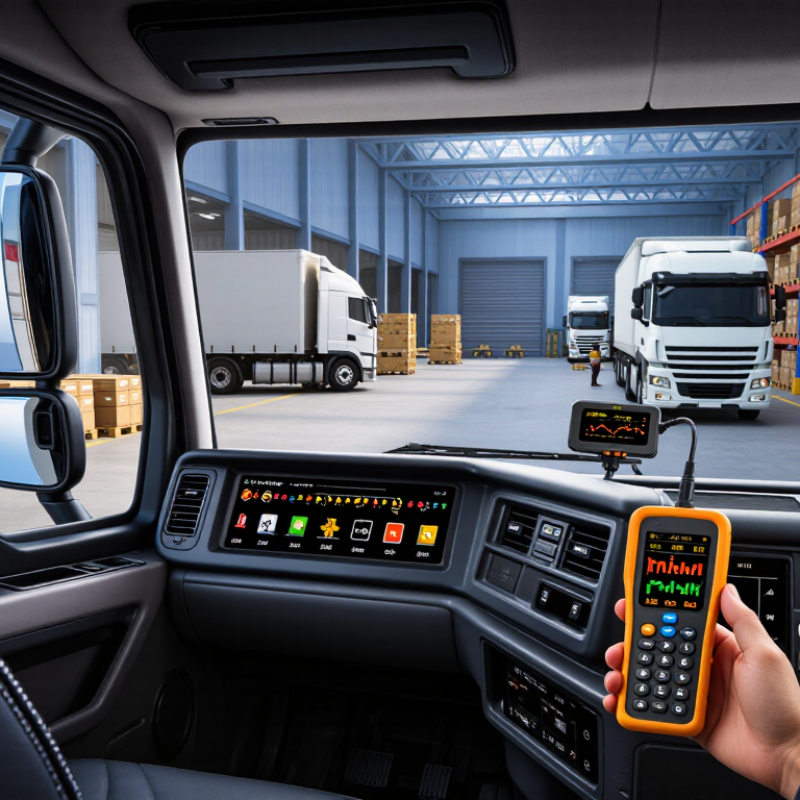
Understanding Obd Meaning In Logistics begins with a small port beneath a vehicle’s dashboard. OBD means On-Board Diagnostics. It allows approved devices to read information from a truck’s electronic control systems. In daily logistics, this data can reveal engine faults, fuel performance, battery health, and maintenance warnings. A warning light may appear before a vehicle fails beside a warehouse loading bay. That early signal can protect delivery schedules and reduce avoidable repair costs.

Elena Marquez, a fleet telematics specialist, explains, “OBD data turns a vehicle’s hidden condition into visible logistics information.” Her observation reflects a practical truth. Data matters only when managers use it correctly. A dispatcher may compare diagnostic alerts with route length, cargo weight, weather, and driver reports. A maintenance team can then schedule service before a minor fault becomes expensive downtime. The process is not perfect. Different vehicle brands may provide different data, and some devices offer limited information. That distinction is easy to miss.

This China Top 10 guide examines OBD Meaning In Logistics from an operational viewpoint. It considers vehicle monitoring, preventive maintenance, fuel control, fleet visibility, and installation concerns. It also recognizes privacy, cybersecurity, and manufacturer requirements. Responsible companies should collect only necessary information. They should secure access and explain monitoring practices clearly. OBD is not a magic solution. It is a practical tool. Used with human judgment, accurate records, and qualified technicians, it can make modern logistics safer, more predictable, and more efficient.

China Top 10 What Does OBD Mean In Logistics?

What Does OBD Mean in Logistics?

In logistics, OBD usually means Outbound Delivery. It describes the shipment process after goods are released for dispatch. An OBD record connects the customer request with warehouse actions and transport details. It may include item quantities, delivery dates, storage locations, packaging notes, and receiving information.

In practical warehouse work, staff use OBD data to create picking tasks. Workers scan cartons, check quantities, and move goods to a staging area. The shipment is then packed, loaded, and assigned to a transport route. Each status change improves visibility. If ten cartons are expected but only nine are scanned, the difference should be investigated before loading. Small errors can become expensive delays.

OBD is not the same as a sales order. A sales order records what the customer requests, while an outbound delivery supports physical fulfillment. The exact meaning can vary between systems, so teams should confirm local terminology. In some technical contexts, OBD may mean onboard diagnostics, not outbound delivery. That detail is easy to overlook. Clear training, accurate scans, and regular record checks make the process more reliable. Still, no digital record can replace a careful physical count.

What Does OBD Mean in Logistics?

OBD commonly means Outbound Delivery. The chart presents the standard sequence used to prepare, dispatch, and complete an outbound delivery.

Outbound delivery normally begins with document creation, followed by picking, packing, goods issue, dispatch, and proof of delivery. The numbers indicate process order rather than delivery time or company performance.

How the OBD Process Works Step by Step

China Top 10: What Does OBD Mean in Logistics?

OBD usually means Outbound Delivery in logistics. It controls how an order leaves the warehouse. The process starts when an approved sales order creates an outbound delivery record. This record includes the destination, products, quantities, delivery date, and shipping instructions.

The warehouse then checks stock and releases the delivery for picking. Staff scan each item, confirm quantities, and move goods to packing. Packed cartons receive labels and shipment details. After a final check, the system posts goods issue. Inventory decreases, and the shipment becomes ready for transport. The carrier collects it, while tracking updates follow the delivery. Proof of delivery closes the operational loop.

UNCTAD’s Review of Maritime Transport 2023 states that ships carry over 80% of global merchandise trade by volume. This scale makes accurate outbound data essential. One wrong quantity can delay a container, invoice, or customer receipt. The process looks orderly on paper. In practice, late scans and damaged labels still create friction.

Tips: Use barcode verification at picking and packing. Record weight, carton count, and dispatch time. Compare system data with physical goods before goods issue. Review failed deliveries weekly. A small exception log often reveals repeated warehouse problems.

Key Documents and Data Used in OBD Shipments

China Top 10: What Does OBD Mean In Logistics?

In ocean logistics, OBD usually means On-Board Date. It records when cargo is loaded onto the vessel, not when it reaches the buyer. This distinction affects shipment deadlines, payment terms, and trade documentation.

An OBD shipment normally starts with a booking confirmation, showing the vessel, voyage, container number, and planned sailing date. The commercial invoice states the transaction value and product details. The packing list records carton counts, weights, and dimensions. Customs declarations must match these figures. Small differences can delay cargo release.

The verified Bill of Lading is central evidence. It may show the actual on-board date, shipper, consignee, port pair, and freight terms. A Verified Gross Mass record supports container safety checks. The World Shipping Council has reported that incorrect container weight data creates serious operational risks. The UNCTAD Review of Maritime Transport 2024 states that maritime shipping carries over 80% of global merchandise trade by volume.

Data accuracy matters.

Electronic shipment records should align across booking systems, customs filings, invoices, and the Bill of Lading. In practice, some teams still treat the planned sailing date as the OBD. That mistake is understandable, but it can affect documentary credit compliance. The date may also change after late loading or vessel disruption. Human review remains necessary, even when shipment platforms automate status updates.

Benefits and Challenges of OBD in Logistics

OBD means Outbound Delivery in logistics. It controls the movement of goods from a warehouse to the customer. An OBD record connects sales orders, picking, packing, loading, and proof of delivery. In a busy warehouse, one barcode scan can confirm the carton, quantity, and destination. This reduces manual entry and makes shipment status easier to track.

The benefits are practical. OBD improves inventory visibility and supports more accurate dispatch planning. The World Bank’s 2023 Logistics Performance Index reports that international shipments take about 44 days on average across measured corridors. Better outbound control can expose delays before they become expensive customer complaints. UNCTAD’s 2023 maritime transport review states that ships carry over 80% of global merchandise trade by volume. Small outbound errors can therefore affect large supply networks.

The challenges are less visible. OBD depends on correct product data, warehouse discipline, and stable system integration. A damaged label may stop a complete shipment. A clean dashboard can still hide missing items. It is not magic. Data quality decides. Companies also need scanning equipment, staff training, and clear exception procedures. These investments may feel heavy for smaller operations. Yet ignoring them creates rework, delivery disputes, and inaccurate stock records. In practice, OBD delivers the most value when teams review failed shipments regularly, instead of trusting every system status without question.

China Top 10: What Does OBD Mean in Logistics? Benefits and Challenges of OBD in Logistics

No. Dimension What OBD Means in Logistics Typical Operational Data Main Benefit Common Challenge
1 Definition In warehouse and distribution operations, OBD commonly means Outbound Delivery: a document and control process used to prepare and dispatch goods to a customer or another destination. Delivery number, ship-to location, requested delivery date, product, quantity, batch or serial details, and shipping conditions. Creates a structured record for outbound movement. The abbreviation may also mean vehicle On-Board Diagnostics in transport technology, so the context must be confirmed.
2 Order Creation An outbound delivery is created from a confirmed sales order, stock transfer requirement, return shipment, or other approved shipping request. Order reference, material or SKU, requested quantity, priority, delivery date, and destination address. Improves order visibility and planning accuracy. Incomplete master data or incorrect addresses can stop the process.
3 Availability Check The system or warehouse team checks whether the requested products and quantities are available for the planned shipment. Unrestricted stock, allocated stock, blocked stock, storage location, batch, serial number, and confirmed quantity. Reduces avoidable short shipments and backorders. Inventory records may differ from physical stock because of timing, damage, or counting errors.
4 Picking Warehouse personnel collect the required goods from designated storage locations according to the outbound delivery instructions. Pick location, product identifier, picked quantity, picker, scan time, batch, and exception reason. Supports accurate and traceable order fulfillment. Wrong-location picks, unavailable stock, and manual entry errors can cause delays.
5 Packing and Loading Picked goods are packed, labeled, consolidated when appropriate, and loaded for transportation. Package count, gross weight, dimensions, handling unit, label, loading sequence, and vehicle or route reference. Improves handling efficiency and shipment identification. Poor packaging, incorrect labels, or unsuitable loading can create damage and rework.
6 Goods Issue Goods issue is the formal confirmation that the products have left the warehouse or inventory control point. Posting date, actual shipped quantity, inventory movement, batch or serial traceability, and shipping status. Keeps inventory and shipment records synchronized. Posting too early or too late can create inventory, accounting, and customer-service discrepancies.
7 Transportation Handover After warehouse processing, the shipment is handed to an internal fleet, carrier, freight forwarder, or other transport provider. Carrier reference, route, vehicle, driver or operator, departure time, tracking reference, and delivery appointment. Provides a clear transfer of responsibility. Disconnected systems can limit real-time tracking and status accuracy.
8 Key Performance Indicators OBD performance is evaluated by measuring how accurately and quickly outbound deliveries move from creation to dispatch and receipt. Order cycle time, pick accuracy, fill rate, on-time dispatch, on-time delivery, shipment damage rate, and delivery discrepancy rate. Turns operational events into measurable improvement targets. Different departments may calculate the same KPI using different timestamps or rules.
9 Technology and Automation Barcode scanning, warehouse systems, transport systems, electronic documents, and application interfaces can automate OBD activities. Scan events, system timestamps, inventory updates, electronic shipment records, and exception alerts. Reduces repetitive work and improves data traceability. Integration cost, cybersecurity, data quality, and employee training require ongoing investment.
10 Overall Benefits and Risks A well-managed OBD process connects order fulfillment, inventory control, warehouse execution, transportation, and customer delivery records. Complete shipment history, status milestones, exception logs, proof of delivery, and returned or undelivered quantities. Improves visibility, accountability, inventory accuracy, service consistency, and customer communication. Process complexity, exception handling, system outages, and inconsistent data ownership can reduce the expected benefits.

China’s Top 10 OBD Logistics Applications and Providers

In logistics, OBD usually means Outbound Delivery. It records how goods leave a warehouse, factory, or distribution center.

In China, ten major OBD applications include e-commerce fulfillment, retail replenishment, export shipping, cold-chain distribution, automotive parts, electronics, machinery, medical supplies, spare parts, and factory-to-factory delivery.

Each application needs accurate order data, picking records, packing checks, and shipment updates.

The main provider groups include warehouse management software firms, transport management platforms, third-party logistics companies, parcel networks, freight forwarders, cold-chain specialists, contract warehouses, customs-service operators, regional delivery companies, and systems integrators.

Their OBD tools often connect orders with barcode scans, vehicle details, inventory status, and electronic proof of delivery. These links help teams trace a carton from storage rack to loading bay.

Small details matter.

A reliable process checks product quantity before sealing each carton. It also records who approved dispatch and when the carrier collected it.

API integration can reduce repeated typing, but it may create silent errors when master data is outdated. That weakness deserves attention.

Some providers advertise real-time visibility, yet warehouse updates can still arrive late during peak seasons.

Buyers should test exception handling, audit trails, data security, service coverage, and support response before choosing an OBD partner. A polished dashboard is useful, but accurate physical operations matter more.

bottom of page