top of page

10 Tips for Choosing Travel Luggage Accessories?

Travel can turn small packing decisions into frustrating problems: a loose charger disappears, a suitcase zipper catches, or a bag looks like everyone else’s. Travel Luggage Accessories can help organize belongings and make bags easier to identify, but more gear does not automatically mean a better trip. The right choices depend on your itinerary, luggage, and habits.

Industry data offers useful context. SITA’s 2024 Baggage IT Insights report recorded 6.9 mishandled bags per 1,000 passengers worldwide in 2023. That figure does not prove accessories prevent lost luggage. It does show why clear identification and practical organization deserve attention. UN Tourism reported approximately 1.4 billion international tourist arrivals in 2024, highlighting the scale of global travel. Busy terminals, tight connections, and overhead-bin searches make simple, durable choices worthwhile.

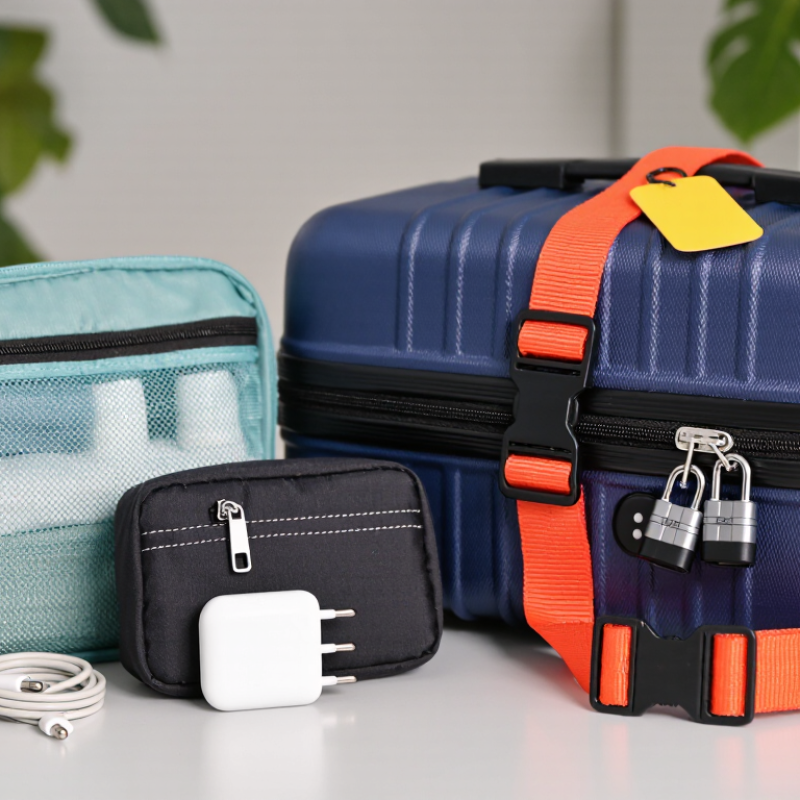
This guide shares ten ways to evaluate accessories, from packing cubes and luggage tags to compact locks and digital trackers. Look for sturdy stitching, easy-to-read labels, and materials that suit your climate and trip length. Check dimensions before buying; a bulky organizer may waste space in a small carry-on. Keep essentials accessible. Test the zipper at home. A tracker can be useful, but it still needs power and a compatible phone. Some recommendations are a matter of preference, not universal rules. I still find it easy to overpack. Choose fewer items you will actually use, and review each one before you leave.
10 Tips for Choosing Travel Luggage Accessories?

Understanding the Role of Travel Luggage Accessories

Travel luggage accessories do more than decorate a suitcase. They help organize, protect, and identify belongings during busy trips. A packing cube keeps clean shirts separate from shoes, while a padded sleeve can reduce scratches on a tablet. A simple luggage tag makes a plain case easier to spot at baggage claim. These tools are most useful when they solve a real travel problem.

Tips: Choose accessories around your itinerary, not an idealized packing list. For a weekend train trip, a compact cable pouch may be more useful than several organizers. Check size, weight, and material before buying; bulky add-ons can waste space. Store valuables in a secure, reachable compartment, and use a water-resistant pouch for toiletries. Test each item at home. A stubborn zipper will not improve at the airport.

Good accessories support smoother routines, but they cannot replace careful packing. It is easy to assume more organizers mean less stress; sometimes, they create more to unpack. Less can be better. Look for strong seams, washable fabrics, and closures you can operate with one hand. Leave room for souvenirs or damp clothing. Pack with purpose.

Choosing a Toiletry Bag: Check Carry-On Liquid Sizes

A toiletry bag helps keep travel-size liquids organized and easy to inspect. For U.S. carry-on travel, TSA rules generally limit each liquid container to 3.4 oz (100 mL) or less. Requirements may vary by airport and destination.

The 100 mL bar marks the maximum container size under the standard U.S. carry-on liquids rule; larger containers exceed that limit.

Assessing Your Trip, Luggage, and Packing Needs

Choosing useful luggage accessories starts with the trip itself. A three-day city break needs different gear from a rainy week of rail connections. Check the forecast, walking distance, luggage limits, and whether your stay has laundry facilities. Then inspect your suitcase: a tight carry-on may need compression cubes, while a checked bag benefits more from a sturdy tag and simple interior dividers. Keep chargers, medication, and one change of clothes easy to reach. Small details matter.

SITA’s 2024 Baggage IT Insights report recorded 6.9 mishandled bags per 1,000 passengers worldwide in 2023. That figure is not a prediction for your journey, but it supports practical precautions: use a durable identification tag, photograph your packed bag, and consider a tracker if it suits your budget. Pack accessories only when they solve a real problem. A luggage scale can help when your return bag may be heavier; a rain cover is less useful if you travel only between cars and hotel doors. I still find it easy to overestimate what I need. A short packing list can expose those hopeful extras before they take up space.

Checking Compatibility, Size, and Material Quality

Luggage accessories work best when they fit the bag you actually use, not an idealized version of it. Check the suitcase handle’s width before buying a sleeve or add-on pouch. Measure the opening, too. A strap that looks adjustable online may still slide down a narrow handle. For packing cubes, compare their dimensions with the inside of your case, allowing room for the zipper and any hard corners. A tape measure helps. So does testing the fit at home before a trip.

Size affects more than storage. A bulky neck pillow or oversized organizer can crowd a small carry-on, while tiny pouches may leave cables and toiletries loose. Think about what you carry on a typical journey, then choose accessories that serve those items without filling every spare inch. I once packed a “useful” organizer that took up more space than the things inside it. Not my best call. A simple paper list can reveal which accessories earn their place.

Material quality matters most where accessories bend, rub, or get wet. Check seams, zipper movement, and attachment points by hand; rough stitching or a stiff zipper can become annoying after repeated use. Water-resistant fabric may help with light splashes, but it is not necessarily waterproof. Feel the material, inspect the closures, and consider how easily it can be cleaned. A little wear is normal, though I still find it hard to judge durability from a product description alone.

Comparing Security, Organization, and Comfort Features

Choosing travel luggage accessories is about balancing security, organization, and comfort—not collecting every gadget. A bright luggage tag with covered contact details helps identify a bag without displaying personal information. A compact lock can discourage casual opening, but check that it suits your route’s screening requirements. Keep essentials accessible. No frantic digging.

SITA’s 2024 Baggage IT Insights report recorded 6.9 mishandled bags per 1,000 passengers worldwide in 2023. That figure does not mean a tracker prevents loss, but a discreet location tracker and a paper contact card can offer useful backup. For organization, use one small pouch for chargers and another for medications or toiletries. Packing cubes can separate clean clothes from worn ones, though too many add weight and slow repacking.

Comfort matters after long terminal walks. A padded handle wrap can ease pressure on your palm, while a luggage strap may help steady stacked bags. Choose accessories that stay attached and do not block handles or wheels. Test them with a loaded suitcase at home. A small admission: I have bought organizers that created more sorting than they solved. Keep only what makes packing or moving easier.

10 Tips for Choosing Travel Luggage Accessories: Comparing Security, Organization, and Comfort Features

# Accessory Security Features Organization Features Comfort and Practicality Selection Tip
1 Luggage lock Helps deter casual access; a lock cannot guarantee that luggage will not be opened or stolen. Keeps zipper pulls together but does not sort belongings. A compact combination lock avoids carrying a separate key. Check the lock type and current rules for your route. Some inspection systems can open compatible locks without damaging them; no lock prevents every inspection.
2 Luggage tracker Can help locate a bag, depending on the device’s location technology and available network or phone connectivity. Provides location information rather than separating or arranging items. Small devices are easy to pack, but batteries may need charging or replacement. Review battery life, location-update limits, privacy settings, and any airline rules that apply to powered devices.
3 Luggage strap Can provide an additional visible closure, but should not be treated as a substitute for a lock or secure luggage. A bright color or pattern makes a bag easier to recognize. Adjustable straps fit a range of bag sizes; buckles add a step when opening the case. Choose a secure buckle and a length that fits your packed luggage without hanging loose.
4 Packing cubes Offer little direct theft protection, though they can keep personal items grouped inside a closed bag. Separate clothing by type, outfit, or traveler for easier access. Lightweight cubes can make unpacking and repacking simpler. Choose a few sizes that match your luggage; too many cubes can add weight and take up space.
5 Compression bags or cubes Do not secure luggage or protect valuables from access. Compress some soft clothing to reduce the space it occupies; compression does not reduce the clothing’s weight. Manual-roll styles do not require a pump, while tightly packed items may be harder to retrieve. Use compression selectively and leave room for items you need to access during the trip.
6 Toiletry bag A closable pouch keeps toiletries contained but is not a security device. Compartments separate bottles, grooming tools, and small items. A wipe-clean lining can make spills easier to manage; a hanging hook is useful where counter space is limited. Look for a size that fits your routine and check the relevant carry-on liquid rules before flying.
7 Document organizer Keeps travel documents together; it does not replace safeguarding sensitive documents or payment cards. Dedicated sleeves can separate a passport, tickets, cards, and receipts. A slim design is easy to reach in a personal bag or jacket pocket. Choose secure closures and enough compartments for the documents you actually carry.
8 Portable luggage scale Does not protect belongings; it can help you check a bag’s weight before travel. Helps manage packing weight, not item placement. A compact scale is easy to pack, though it needs a battery or power source depending on the model. Allow a margin for differences between your reading and the scale used at check-in.
9 Comfortable luggage handle wrap Provides no meaningful security protection. A distinctive color can make the handle easier to identify. Padding may make a hard handle more comfortable to grip, especially when carrying a bag briefly. Check that it fits securely and does not interfere with the handle’s movement or retraction.
10 Foldable daypack Provides a separate place for day-trip items, but its security depends on its closure and how it is carried. Keeps daily essentials separate from main luggage and can be used as an extra carry bag when appropriate. Lightweight and packable; thin straps may be less comfortable under a heavy load. Check the packed size, strap comfort, capacity, and airline cabin-bag rules for your itinerary.

Choosing, Using, and Maintaining the Right Accessories

Choosing travel accessories is less about filling every pocket and more about solving specific problems. A lightweight luggage scale helps prevent last-minute repacking, while a bright strap or removable tag makes a black suitcase easier to spot. SITA’s 2024 Baggage IT Insights report recorded 6.9 mishandled bags per 1,000 passengers in 2023. That figure makes clear, durable identification worth considering, though no tag guarantees a bag will arrive on time.

Choose accessories that fit your actual route and luggage. Measure organizers against your suitcase before buying; bulky cubes can waste space rather than save it. Keep a charger and essential medication in a small pouch inside your carry-on, not in checked luggage. Check current airline size and weight rules before packing, since allowances vary. Simple is often better.

Use each item consistently. Attach identification securely, but keep personal details discreet. After a trip, wipe organizers and let them dry fully before storage. Check zippers, elastic, and straps for fraying. Replace damaged pieces before they fail mid-journey. I still tend to pack one accessory too many; a short test trip can show what actually earns its place.

bottom of page