
top of page

Why Choose a Mask Strap for Comfort and Fit?

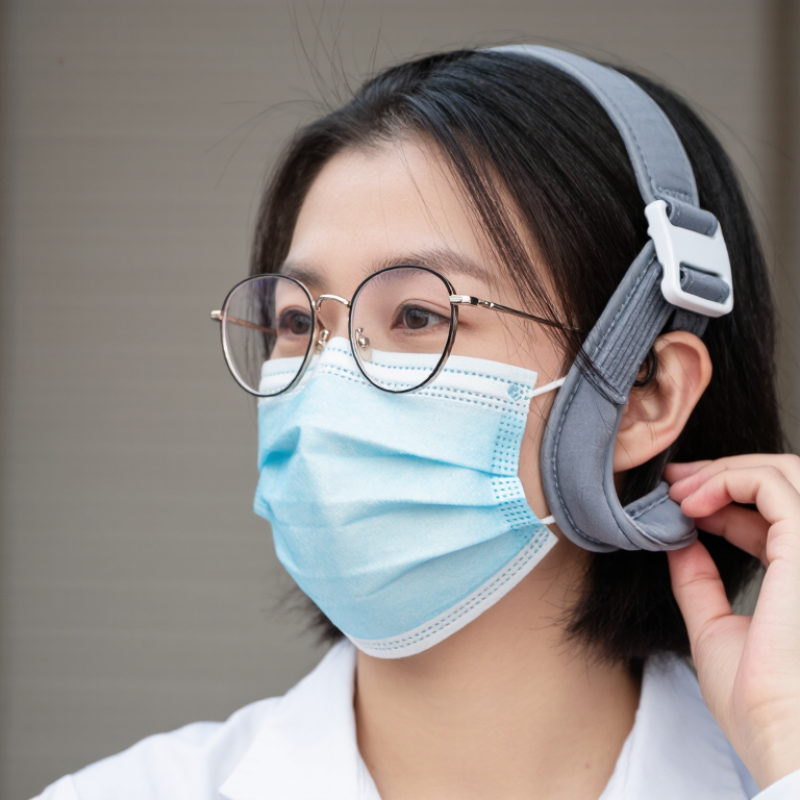
A mask should stay in place without pulling at your ears or pressing hard against your face. Yet long wear can make even a familiar mask feel irritating. A Mask Strap offers another way to secure the mask, shifting some of the tension from the ear loops to the back of the head. The difference can be subtle, but a small change matters during a long commute, a busy shift, or a day spent moving between rooms.

Fit is personal. Strap length, material, and attachment style can affect comfort, especially when hair, glasses, or head shape change where pressure lands. A soft, adjustable strap may feel gentler than a rigid one, though no design suits everyone. Check that it holds the mask in place without pulling its edges away from the face. That detail matters. A strap is not a substitute for a well-fitting mask, and it does not improve filtration on its own. It may also take a little trial and adjustment to find a comfortable setting. Not perfect, every time.

This guide looks at what a Mask Strap can and cannot do, which features are worth comparing, and how to check fit during ordinary use. The goal is practical comfort, not a promise of a flawless fit. A few minutes of careful adjustment can help you decide whether a strap works for your routine.
Why Choose a Mask Strap for Comfort and Fit?

Mask-Strap Anatomy: How Tension, Width, and Placement Affect Fit

A mask strap does more than keep a mask in place. Its tension, width, and position work together, and a small adjustment can change how the mask feels. Too little tension may let the mask shift when you talk. Too much can create pressure behind the ears or across the head. Snug, not pinching, is a useful starting point.

Width affects how pressure spreads. A wider strap may feel gentler because it rests across more skin, though it can bunch beneath hair or headwear. Placement matters just as much. Check that the strap sits flat and follows the mask maker’s fitting instructions. If it twists, a narrow edge can rub or pull unevenly. Look in a mirror, then move your jaw and turn your head. The mask should stay comfortably positioned. Small test.

There is no single tension setting that suits every face or strap design. Facial hair, glasses, and movement can change the fit, so reassess after adjustments. A strap that feels comfortable while sitting may feel different during a long walk. I would not treat comfort alone as proof of a proper seal; follow the mask’s instructions and any applicable fit-check guidance. It is easy to over-tighten when a mask seems loose, but the result may be sore skin rather than better fit. A little trial and correction is normal.

Fit Testing: OSHA Sets a 100 Fit Factor for Half-Mask Respirators

A comfortable mask strap helps keep a half-mask respirator stable, but snugness alone cannot confirm a safe fit. OSHA requires fit testing before initial use, at least annually, and when a different facepiece is used. Retesting may also be needed after facial changes, such as dental work or significant weight change. Small shifts matter.

For a quantitative fit test, OSHA sets a minimum fit factor of 100 for a tight-fitting half-mask respirator. In practical terms, the test compares particle levels outside and inside the facepiece while the wearer performs specific movements and breathing tasks. A passing result applies to the tested respirator make, model, style, and size; it does not guarantee protection in every situation.

Fit testing is also different from a user seal check, which should be performed each time the respirator is donned. Adjust straps evenly, without overtightening, and follow the respirator manufacturer’s instructions. Pressure marks or discomfort deserve attention.

A strap can feel secure and still pull the mask out of position during a head turn. That is easy to miss. A trained fit-test administrator can help identify problems and determine whether another size or model is needed.

Seal Performance: NIOSH N95 Filters Must Meet at Least 95% Efficiency

Why Choose a Mask Strap for Comfort and Fit?

A NIOSH-approved N95 must show at least 95% filtration efficiency under standardized testing. That number describes the filter, not the seal against your face. Air can still escape around the nose or cheeks if the respirator sits poorly. Small gaps matter.

A mask strap can help keep the respirator steady during movement. A snug, comfortable fit may reduce shifting when you talk, bend, or turn your head. Check that the nose area is molded closely and the edges rest evenly against your skin. Take a breath. Notice any leaks near the nose or chin, and follow the respirator’s instructions for a user seal check each time you put it on.

Comfort helps, but it is not proof of protection. A strap that feels secure may still leave a gap, while one that pulls too tightly can become distracting. That trade-off is easy to overlook. Facial hair crossing the sealing surface can also interfere with contact. Adjust the strap without twisting it, then reassess the fit after moving your head. If the respirator repeatedly leaks or feels unstable, try another size or style. The right fit should feel steady, not painfully tight.

Why Choose a Mask Strap for Comfort and Fit?

A secure, comfortable strap can help keep a respirator in position. The chart shows NIOSH minimum filter efficiencies for N-series respirators.

Seal matters: Filter efficiency describes the filter media under NIOSH testing. It does not guarantee a face seal on an individual wearer; fit testing and a user seal check are important.

Comfort Trade-Offs: Balancing a Secure Seal With Wearable Strap Pressure

A mask strap must hold the mask steady without turning the cheeks or ears into pressure points. Wider straps can spread tension over more skin, while adjustable straps help accommodate different head shapes. But tightening a strap to stop every small movement may increase soreness and still fail to improve the seal. Check the fit with the mask’s recommended seal check, then ease the strap until it feels secure rather than pinched. Comfort matters.

Pressure deserves attention, not guesswork. In a 2020 Journal of the American Academy of Dermatology study, Lan and colleagues surveyed 542 frontline healthcare workers; 97% reported skin damage associated with protective equipment. The study did not isolate strap pressure, so it cannot show that straps caused those injuries. It does, however, underline why repeated rubbing and pressure points should not be ignored. NIOSH guidance also emphasizes fit testing for tight-fitting respirators; a strap that feels comfortable alone does not prove a reliable seal. After several minutes, check for shifting, red marks, and pressure behind the ears or at the back of the head. A slightly uneven fit can be easy to miss.

Why Choose a Mask Strap for Comfort and Fit? — Comfort Trade-Offs: Balancing a Secure Seal With Wearable Strap Pressure

Strap or Fit Factor Potential Benefit Comfort Trade-Off Practical Fit Check
Strap width A wider strap can spread contact pressure across a larger area than a narrow strap. Wide straps may feel bulky or be harder to position around hair, headwear, or eyewear. Check that the strap lies flat and does not fold, twist, or press on the ears.
Strap tension Even, secure tension helps keep the mask in its intended position. Excessive tension can create discomfort and pressure points; insufficient tension may allow the mask to shift or leak. Adjust gradually according to the mask instructions, then check for movement and leakage as directed.
Strap placement Correct placement helps the mask sit evenly and remain stable during normal movement. A strap placed too high, too low, or at an awkward angle may pull the mask out of position or irritate the skin. Follow the product’s positioning instructions and confirm that the mask is centered before use.
Adjustment range Adjustable straps can accommodate different head shapes and support small fit corrections. Frequent readjustment can interrupt wear, while uneven adjustment may create uneven pressure. Make small, balanced changes on both sides where the design allows; avoid overtightening to compensate for a poor fit.
Contact material A soft, flexible strap may feel more comfortable against the skin during extended wear. Material feel varies by person; heat, moisture, or friction can still cause irritation. Check the skin for persistent redness or discomfort, and follow the manufacturer’s cleaning and care guidance.
Movement during wear A stable strap can help the mask stay in place while talking or moving. A fit that feels comfortable while still may shift during activity or repeated facial movement. Recheck the fit after movement and whenever the mask has been repositioned.
Seal and pressure balance A well-adjusted strap supports the mask’s intended seal without relying on unnecessary force. Comfort alone does not confirm a seal, and tightening the strap is not a reliable fix for every leak. Use the seal-check method specified for the mask. For respirators, follow applicable fit-testing requirements.

Note: Strap design and adjustment guidance vary by mask type. Follow the instructions for the specific mask; a user seal check is not a substitute for formal respirator fit testing when required.

Selection and Care: Check Adjustability, Stretch, and Manufacturer Guidance

A mask strap can make a noticeable difference to comfort and fit. Look for adjusters that move smoothly but stay in place during normal wear. Set the strap so the mask sits securely without pulling hard behind your ears or pressing into your skin. Too tight can leave sore spots; too loose may let the mask shift when you speak. Try small adjustments while looking in a mirror, then check the fit again after a few minutes. Small shifts matter. There is no perfect setting for every face, and a fit that feels fine at first may become irritating later.

Care affects how well a strap works over time. Check the manufacturer’s guidance before washing, since elastic, fabric, and connectors can need different treatment. Some straps may lose their stretch with hot water or rough handling. Use the recommended cleaning method, and let the strap dry fully before wearing it again. Inspect the stitching, sliders, and elastic for fraying or cracks. If an adjuster slips or the strap no longer holds its shape, it may be time to replace it. I would not assume every strap is washable; checking the instructions is a small step that can prevent damage.

bottom of page