Why Choose FIBC Jumbo Bags for Your Bulk Packaging Needs?
In today's fast-paced world, businesses are constantly seeking efficient solutions for bulk packaging. The FIBC JUMBO Bag has emerged as a leading choice for many industries. According to industry expert John Smith, "FIBC Jumbo Bags offer unmatched versatility and durability for various materials." This statement highlights the importance of selecting the right packaging for specific needs.
FIBC Jumbo Bags are designed to hold large volumes, which can significantly reduce packaging time and costs. Their robust structure ensures that they can safely store and transport a wide range of products, from grains to chemicals. With a growing demand for eco-friendly packaging options, these bags also stand out due to their ability to be recycled and reused, contributing to sustainability.
However, choosing the right FIBC Jumbo Bag can be challenging. Different sizes, designs, and materials cater to specific needs. Businesses must consider factors like weight limits and intended use. It’s not just about buying a bag; it’s about selecting one that meets all requirements effectively. This complexity invites companies to reflect on their choices and seek advice from experts to ensure reliability in bulk packaging.
Understanding FIBC Jumbo Bags: Definition and Characteristics
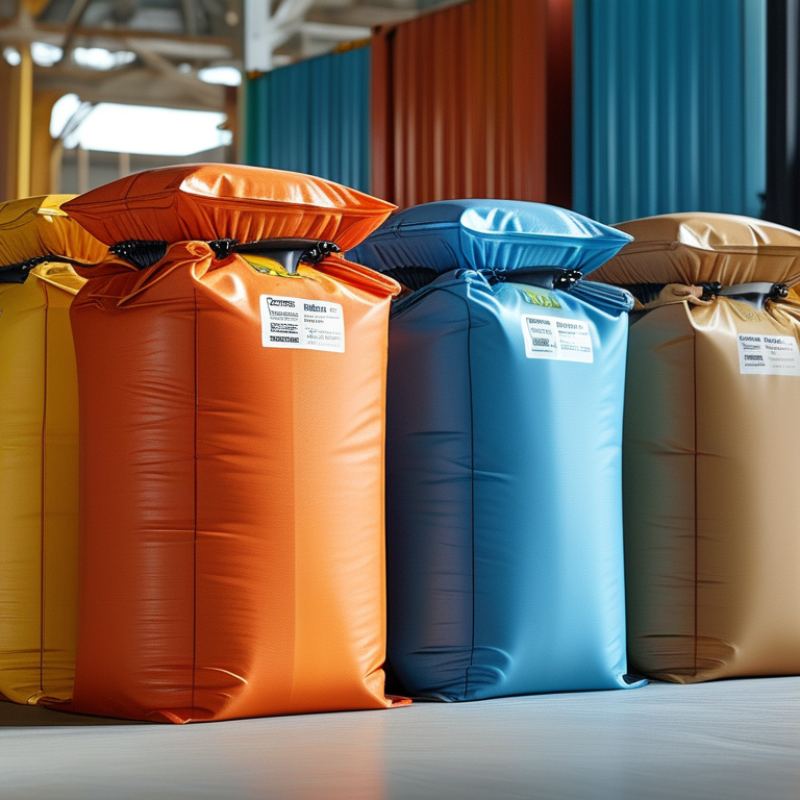
FIBC (Flexible Intermediate Bulk Containers) jumbo bags are a staple in bulk packaging. These bags are designed to hold a large volume of materials, making them ideal for various industries, including agriculture and construction. Typically, they can carry anywhere from 500 kg to 2,500 kg of products. Their spacious design greatly enhances logistics efficiency. According to industry reports, the global FIBC market is projected to grow by 5.6% annually, underscoring their rising importance.
One defining characteristic of FIBC bags is their robust construction. Made from woven polypropylene, they offer high tensile strength and durability. The UV-resistant options extend their lifespan, which can be crucial for materials exposed to sunlight. Features like baffles and coat linings can improve their load stability. It’s vital to select the right type of FIBC based on material compatibility and storage needs.
**Tips:** When using FIBC bags, ensure they are filled to the appropriate weight to prevent accidents. Regular inspections for wear can prolong their usability. Utilize proper handling techniques to avoid bag damage during transport. Making these small adjustments can save costs in the long run.
Why Choose FIBC Jumbo Bags for Your Bulk Packaging Needs?
| Characteristic | Description | Benefits | Applications |
| Material | Made from woven polypropylene | Strong, durable, and resistant to moisture | Agriculture, Food, Chemicals |
| Load Capacity | Can hold 1 ton to 3 tons | Maximizes shipping efficiency | Construction, Bulk materials |
| Reusability | Can be reused multiple times | Cost-effective and environmentally friendly | Industrial and commercial uses |
| Design Options | Available in various styles and sizes | Tailored to specific needs | Transporting different products |
| Safety Features | Can include anti-static and UV protection | Protects contents from damage | Sensitive materials and outdoor storage |
Advantages of Using FIBC Jumbo Bags for Bulk Packaging
When it comes to bulk packaging, FIBC jumbo bags stand out due to their unique advantages. These bags, made from woven polypropylene, offer exceptional strength and durability, making them perfect for transporting heavy materials. They can hold a significant weight, often ranging from 1,000 to 2,500 kilograms. Their large volume also allows for efficient storage, reducing the need for multiple smaller containers.
The versatility of FIBC bags is another strong point. They come in various designs, including open-top, duffle top, and valve types, accommodating different products and handling methods. This adaptability is crucial for industries like agriculture, construction, and chemicals. However, not all materials are suitable for FIBC bags, which requires careful consideration during selection.
Moreover, FIBC bags are eco-friendly. They are reusable and recyclable, contributing to sustainability practices. Businesses can save costs by reducing waste over time. Despite their many benefits, users should be aware of proper handling techniques. Improper storage or loading can lead to safety issues. Attention to detail during usage can mitigate these risks and enhance overall efficiency.
Applications of FIBC Jumbo Bags Across Various Industries
FIBC Jumbo bags are versatile packages used in many industries. They are effective for transporting bulk materials. Common applications include agriculture, construction, and food production. These bags provide a safe and efficient way to handle large quantities.
In agriculture, FIBC bags are ideal for storing grains, seeds, and fertilizers. They protect products from moisture and pests. In construction, they often hold sand, gravel, or demolition waste. The bags’ durable fabric ensures they can withstand heavy loads.
Tip: Always choose bags that meet your weight and size requirements. This ensures better handling and reduces the risk of spills.
In food production, FIBC bags are used for bulk ingredients like flour and sugar. Their safe materials maintain product integrity. They can be designed to meet specific hygiene standards, ensuring food safety.
Tip: Consider the bag's certification. It can affect your product’s compliance with industry regulations. Always review safety and handling guidelines, too. Adapting to different industries can be tricky. Each may have unique needs that require tailored solutions.
Factors to Consider When Choosing FIBC Jumbo Bags
When selecting FIBC jumbo bags, there are several crucial factors to consider. First, think about the material. Most FIBCs are made from woven polypropylene. This gives them strength and durability. Check the bag's specifications to ensure they match your needs. Consider the thickness of the fabric. Thicker bags may offer extra protection for sensitive materials.
Another important aspect is the design of the bag. Typically, FIBCs come with various types of openings and closures. Some have spouts for easy filling and emptying. Others feature tie tops or flat openings. Your choice should align with your handling process. Think about how you will fill and transport these bags.
Tips: Always check the weight capacity. Each bag has a maximum load limit. Make sure it suits your product weight. If you're storing fine powders, consider choosing bags with inner liners. These help prevent dust from dispersing. Also, reflect on the climatic conditions. Will the bags be exposed to moisture? If so, opt for water-resistant options.
Sustainability and Recyclability of FIBC Jumbo Bags in Packaging
FIBC jumbo bags have become essential for bulk packaging. Their sustainability is noteworthy. Made from woven polypropylene, these bags are durable and long-lasting. They can be reused multiple times, which reduces waste significantly. After their lifecycle ends, they are recyclable. This feature supports circular economy practices.
These bags are not without flaws. Some users report issues with tearing under heavy loads. This raises concerns about their long-term reliability. Ensuring proper use remains crucial to maximize their benefits. Not all recycling facilities accept FIBC bags, leading to potential disposal challenges. It's important to stay informed about local recycling options.
Environmental impact is a key factor in packaging choices today. FIBC bags, when properly managed, can lessen carbon footprints. Their lightweight nature reduces shipping emissions too. Yet, industry practices must improve to achieve higher sustainability standards. Continuous improvements in material sourcing and production processes can enhance their eco-friendliness. The responsibility lies with both manufacturers and consumers to pursue sustainable packaging solutions.