What Makes Laminated FIBC Bags Essential for Your Business?
In the packaging industry, laminated FIBC bags have gained significant attention. Their versatility makes them a vital choice for various businesses. According to Dr. Jane Stevens, an expert in flexible packaging, "Laminated FIBC bags provide unmatched protection and efficiency for bulk materials." This insight highlights the importance of these bags.
Laminated FIBC bags stand out due to their durable construction and moisture resistance. They cater to industries ranging from agriculture to construction. The laminated layer offers additional protection against dust, moisture, and UV rays. This feature helps preserve the quality of the contents, ensuring safe transportation.
However, some businesses remain hesitant about adopting laminated FIBC bags. They worry about costs and the learning curve associated with new packaging solutions. These concerns are valid but should be carefully evaluated against the long-term benefits. The advantages of using laminated FIBC bags, like reduced spoilage and enhanced efficiency, merit consideration. Transitioning to this innovative packaging can provide a competitive edge in today’s market.
The Definition and Characteristics of Laminated FIBC Bags
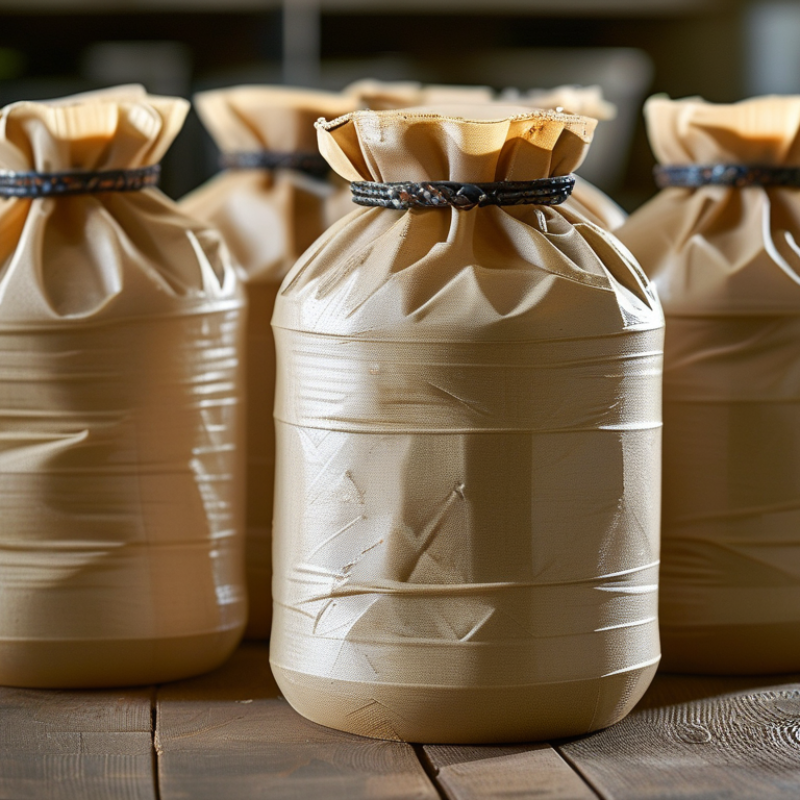
Laminated FIBC bags are essential for businesses involved in bulk material handling. These bags are made from woven polypropylene with a laminated layer, which enhances durability and moisture resistance. The laminated surface provides an added barrier against environmental factors. This characteristic allows the bags to protect contents from dust, moisture, and contamination.
When selecting laminated FIBC bags, consider their weight capacity and dimensions. They come in various sizes, accommodating diverse product types. It's important to match bag specifications with your needs. This ensures effective storage and transportation.
Tips: Always inspect the seams and stitching. Properly sealed bags reduce the risk of leaks. Remember to assess your storage conditions. If possible, perform a test with smaller quantities before full-scale usage. Quality checks can prevent costly mistakes. Being proactive in addressing these details can lead to smoother operations.
What Makes Laminated FIBC Bags Essential for Your Business?
| Characteristic | Description |
| Durability | High resistance to tearing and punctures, ensuring longevity and reliability. |
| Weight Capacity | Can hold heavy loads up to 2000 kg, making them suitable for various industries. |
| Moisture Resistance | Laminated surface provides a barrier against moisture and dust contamination. |
| Customizability | Available in various sizes, colors, and designs to suit business needs. |
| Eco-friendly Options | Made from recyclable materials, contributing to sustainable practices. |
| Cost-Effectiveness | Lower packaging costs while providing enhanced performance and protection. |
The Advantages of Using Laminated FIBC Bags for Businesses
Laminated FIBC bags have gained recognition for their significant advantages in the business sector. They are designed with a durable, moisture-resistant layer. This feature is crucial for industries that deal with bulk materials exposed to humidity. According to a report from the Flexible Intermediate Bulk Container Association, about 48% of businesses report spoilage due to moisture when using non-laminated options.
Additionally, these bags provide enhanced strength and load-bearing capacity. A study published in the Journal of Packaging Technology indicates that laminated FIBC bags can withstand heavier loads compared to their unlaminated counterparts. This capability reduces the risk of breakages during transport. It's also worth noting that using laminated bags can lower overall packaging costs by minimizing product loss.
However, while they offer numerous benefits, some companies struggle with the initial investment. For smaller businesses, the upfront costs can be a hurdle. It’s essential to weigh these costs against potential savings from reduced spoilage and damage. Companies need to evaluate their specific needs and storage conditions carefully before making a decision.
Applications of Laminated FIBC Bags Across Different Industries
Laminated FIBC bags are becoming increasingly important in various industries. Their robust structure provides excellent durability, making them ideal for heavy-duty applications. These bags are widely used in agriculture for transporting grains and seeds. The moisture-resistant properties help preserve the quality of the contents during transport.
In the construction sector, laminated FIBC bags are essential for storing and transporting materials like sand, gravel, and cement. The strength of these bags supports heavy loads. However, ensuring proper loading techniques is crucial to avoid stress points that could lead to failure.
Chemical industries also benefit from these bags. They safely store powders and granules, minimizing exposure to moisture and contaminants. That said, users must remember the importance of compliance with safety regulations. Quality testing during manufacturing is vital to ensure reliability. Each step affects the overall performance of the bags, highlighting the balance between cost and safety considerations.
Factors to Consider When Choosing Laminated FIBC Bags
When selecting laminated FIBC (Flexible Intermediate Bulk Container) bags for your business, consider several factors. These bags are designed to offer durability and strength. Their laminated surface protects against moisture and ensures the contents remain safe during transport. Selecting the right material and construction is crucial.
The size of the bag is essential for efficiency. Ensure the bag fits your product dimensions perfectly. A bag that is too small can lead to spills, while an oversized bag may waste space and resources, incurring unnecessary costs.
**Tip:** Always check the bag's weight limit. Exceeding it can damage the bag and compromise safety.
Storage capabilities also matter. Laminated FIBC bags can be easily stacked. However, improper stacking can lead to stability issues. Regularly inspect your stack to prevent accidents.
**Tip:** Conduct a trial run with filled bags to assess their performance in real conditions. This can reveal potential weaknesses or improvements needed.
Environmental factors affect your choice too. If your product is sensitive to humidity, ensure the laminated bags provide a reliable barrier. Unprotected materials can spoil or degrade over time.
**Tip:** Consider the lifecycle of the bag. Opt for options that are recyclable or made from sustainable materials whenever possible.
Key Factors for Choosing Laminated FIBC Bags
Best Practices for Storing and Handling Laminated FIBC Bags
Laminated FIBC bags are vital for many businesses. Proper storage and handling of these bags can greatly influence their performance. Following best practices ensures their reliability. Store these bags in a dry, clean area. Humidity can weaken their material. Direct sunlight exposure may cause degradation. Choose a cool space to prolong their life.
When handling laminated FIBC bags, avoid excessive force. Overloading can lead to tears or ruptures. Regularly inspect the bags for signs of wear. Even small damages can lead to bigger problems later. If you notice any issues, consider replacing them promptly. Ensure that your staff is trained to use these bags effectively. A lack of knowledge can result in costly mistakes.
It's beneficial to maintain proper stacking methods. Do not place heavy items on top of the bags. This can distort their shape. Additionally, label stored bags clearly. This practice avoids confusion and ensures correct usage. Reflect on your current practices. Are they adequate for maintaining the integrity of your laminated FIBC bags? Small changes can lead to better outcomes.