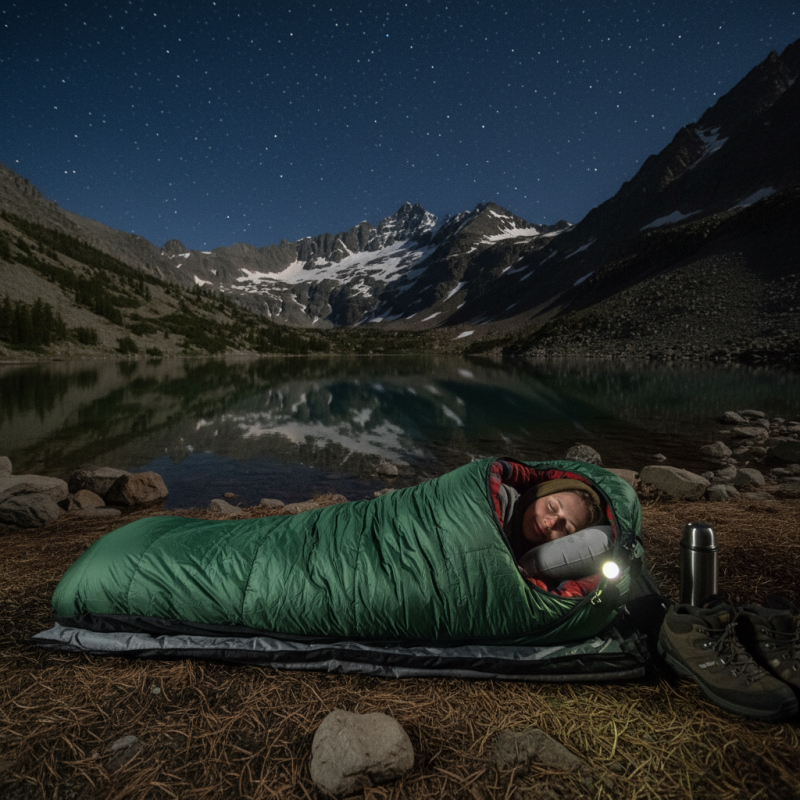
Why Choosing the Right Camping Sleeping Bag Matters?
Choosing the right camping sleeping bag can make or break your outdoor experience. A good sleeping bag keeps you warm and comfortable through the night. It protects you from the elements, allowing you to enjoy your adventure fully.
Campers often overlook the details when selecting their sleeping bags. Factors like temperature rating, weight, and material are crucial. A mismatched bag can leave you cold and restless. Imagine waking up shivering under a flimsy layer. It's a mistake many make, one that leaves them regretting their choices.
Consider your camping conditions. Will you be exposed to moisture? A waterproof option might be essential. Choosing wisely enhances your comfort and safety. A camping sleeping bag is more than just a blanket; it’s your sanctuary in the wilderness. Aim for a balance between portability and warmth to ensure an enjoyable experience.
Importance of Temperature Rating in Camping Sleeping Bags
When it comes to camping, a good night’s sleep is vital. The right sleeping bag can make a significant difference. Temperature rating plays a crucial role in ensuring comfort. Each bag comes with a specific temperature range. Knowing this helps you choose wisely.
A sleeping bag rated for cold temperatures can keep you warm during frigid nights. A bag with a higher rating might leave you feeling chilly, even in mild weather. Imagine waking up shivering at dawn. That discomfort can ruin your entire trip. On the flip side, a sleeping bag rated too low may cause overheating in warmer seasons. This leads to restless nights.
Understanding temperature ratings is essential, yet many overlook this detail. It's easy to fall for flashy designs or attractive prices. Instead, focus on how you feel in different conditions. Testing bags in real scenarios is beneficial. Reflection is key. Handle your choices with care to ensure a memorable camping experience.
Types of Sleeping Bags: Understanding Mummy, Rectangular, and Hybrid Designs
Camping can be an exhilarating experience, but comfort is essential for a good night’s sleep. Choosing the right sleeping bag greatly affects your camping journey. Three primary designs stand out: mummy, rectangular, and hybrid. Each has unique features that cater to different needs.
Mummy bags are tapered and ideal for cold environments. They fit snugly around your body, trapping warmth effectively. However, some may find them restrictive. Rectangular bags are spacious and allow for freedom of movement. They work well in milder weather, but they won’t keep you as warm when it gets cold. Hybrid designs combine features from both styles, offering versatility. Choose wisely based on your trip's conditions.
Here are some tips for selecting the right sleeping bag: Assess the weather before your trip. If it’s cold, go for a mummy bag. For summer camping, a rectangular bag might be better. Also, consider your packing style. If you're backpacking, lightweight options are key. Lastly, don't forget to test your sleeping bag at home. This will help identify any discomfort before your adventure begins.
Types of Camping Sleeping Bags and Their Popularity
This chart displays the popularity of various types of camping sleeping bags among outdoor enthusiasts based on surveys conducted in 2023.
Material Matters: Insulation Types and Their Effectiveness
When choosing a camping sleeping bag, insulation material plays a vital role. The main types are synthetic and down. Synthetic insulation is often cheaper and performs well in wet conditions. It dries quickly and retains warmth, even when damp. Many campers prefer synthetic because it is also hypoallergenic.
On the other hand, down insulation is lighter and more compressible. It provides excellent warmth-to-weight ratios. However, it loses insulation ability when wet. Some campers find down to be an investment. Yet, improper care can ruin its effectiveness. Understanding these materials can help you avoid poor choices. The wrong bag can lead to sleepless nights in the cold.
Different climates and settings call for specific insulation types. A cold, damp forest requires a different bag than a dry desert. Many overlook these details, leading to discomfort. It's essential to reflect on your camping environment. Choosing a sleeping bag without considering insulation can be a regrettable mistake. Prioritizing the right material enhances your camping experience significantly.
Size and Fit: How to Choose the Right Size for Comfort
Choosing the right size for a camping sleeping bag is essential for a good night's sleep. A bag that is too small restricts movement. You might feel cramped, which impacts overall comfort. On the other hand, a bag that is too large can cause heat loss. This can leave you cold and restless, especially on chilly nights.
When selecting a sleeping bag, consider your own dimensions. Measure your height and shoulders. Compare these measurements with the sleeping bag's specifications. It's frustrating to find a perfect bag online, only to discover it doesn't fit. Many make this mistake. It’s important to remember that a snug fit around the shoulders is key. It prevents drafts while allowing some extra room for comfort.
Also, think about how you sleep. Side sleepers often need more space. A slightly wider bag can help. Those who sleep on their backs may prefer a more fitted style. Personal preference is just as crucial as size. Reflect on your sleeping habits before making a choice. Finding the right fit isn't always straightforward, but it’s worth the effort for a better camping experience.
Additional Features: Zippers, Hoods, and Compression Bags Explained
When selecting a camping sleeping bag, the features can significantly impact your comfort level. Zippers, hoods, and compression bags are essential elements that affect your overall experience. A good zipper should glide smoothly and ensure no heat escapes. According to a report from the Outdoor Industry Association, about 35% of campers cited zipper issues as a major discomfort factor on trips.
Hoods are another critical feature. They help trap warmth around your head, a major heat loss area. A well-designed hood can retain heat and keep cold drafts at bay. They often come with adjustable drawstrings, allowing for a customizable fit. If a hood feels constrictive, it might lead to restless nights. It’s crucial to find the right balance between snugness and comfort.
Compression bags enhance portability. They reduce sleeping bag bulk, making packing easier. However, over-compressing may damage insulation. It’s vital to strike a balance to preserve insulation integrity.
**Tip:** Always test your sleeping bag at home. Check how the zippers work and whether the hood fits comfortably. Inspect the compression bag for durability as well. Each factor plays a role in ensuring a successful camping trip.
Why Choosing the Right Camping Sleeping Bag Matters?
| Feature | Description | Benefits |
| Zipper Type | Different types of zippers including two-way, anti-snag, and waterproof zippers. | Easy access, preventing snags, and water resistance for better insulation. |
| Hood Design | Hoods that are adjustable and insulated. | Improved heat retention, warmth around the head, and customizable fit. |
| Compression Sack | Special bags used to pack the sleeping bag to a smaller size. | Saves space in backpack, easy to carry, and protects the bag. |
| Temperature Rating | The range of temperatures the sleeping bag is designed for. | Helps ensure comfort and safety in various weather conditions. |
| Material | Outer shell materials like nylon, polyester, or cotton. | Durability, breathability, and weather resistance. |