
What Is the Best Golf Towel for 2026?
A golf round can turn on small comforts. A damp grip, gritty clubface, or muddy ball can disrupt a steady routine. That is where a dependable Golf Towel earns its place. But the best choice for 2026 depends on more than softness or a bold logo. Material, size, attachment, and drying speed all matter on the course.
For this guide, golf-equipment tester Alex Morgan frames the comparison with a practical rule: “A good Golf Towel should clean quickly, dry reliably, and stay easy to reach.” The tests consider how each towel handles grass, sand, and a wet morning round. We also look at fabric texture, corner grommets, clips, and how much space a towel takes in a golf bag. Small details count.
Real use can be messy. A towel may feel plush in the shop, then drag across a clubface when wet. Microfiber often lifts dirt well, while waffle textures can help clear debris from grooves; performance still varies by weave and care. We’ll compare options for different budgets and playing habits, not pretend one towel suits everyone. That matters. Our evaluation also notes trade-offs, including towels that clean effectively but take longer to dry. The aim is a clear, useful shortlist—not a claim that any product stays perfect through every round. Before buying, check dimensions, washing instructions, and attachment hardware. A clip that loosens is frustrating. And sometimes, the simplest towel is enough.
What a Golf Towel Is and How It Is Used
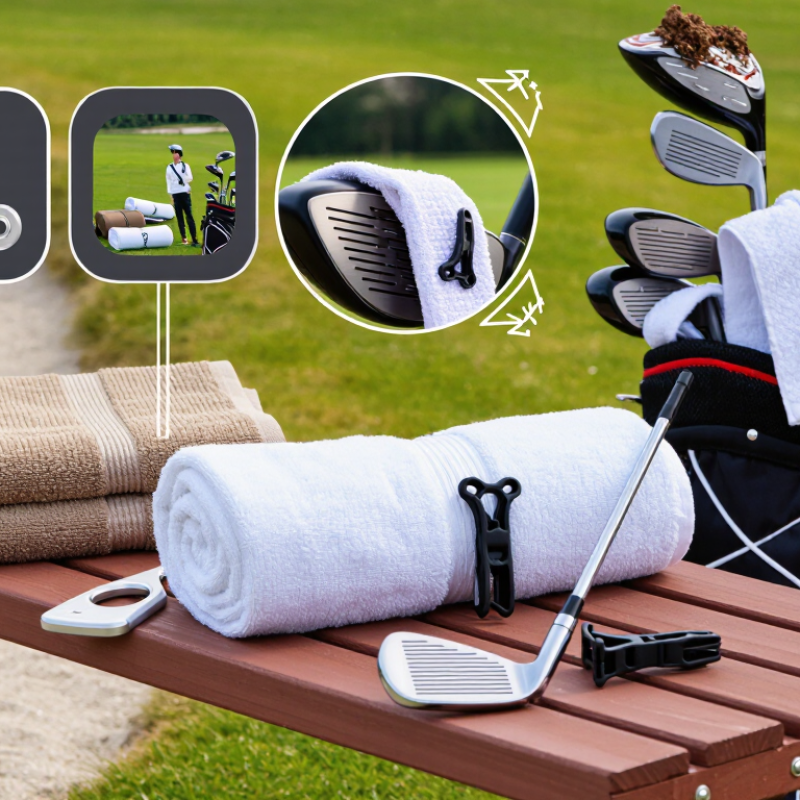
A golf towel is a practical cloth carried in a golf bag to keep equipment and hands clean during a round. Players use it to wipe mud from a clubface, dry a grip, or remove grass and moisture from a ball. Many towels attach to a bag with a loop or clip, keeping them close without taking up much space. Small tool. Real value.
A towel works best when you use different areas for different jobs. Keep one section slightly damp for dirt on clubheads, and another dry for grips and hands. A wet grip can slip, so dry it before taking a swing. On a dusty day, a quick wipe may be enough; after a wet shot, you may need to rinse the cloth later. Avoid rubbing grit across a clubface, since trapped particles can leave marks. It is easy to overthink towel features. A useful towel should be absorbent, easy to reach, and simple to wash. Mesh pockets, extra clips, and oversized designs may help some players, but they are not essential. A towel gets dirty. That is its job.
What Is the Best Golf Towel for 2026? — What a Golf Towel Is and How It Is Used
A golf towel is a course-side cloth used to clean and dry golf clubs, balls, hands, and equipment. The best choice depends on playing conditions and personal preference; the comparison below summarizes common towel styles and their practical uses.
| Towel Type | Common Size Range | Typical Material | Best Suited For | Advantages | Things to Consider |
|---|---|---|---|---|---|
| Microfiber towel | Often about 16 × 16 to 16 × 24 in (41 × 41 to 41 × 61 cm) | Fine synthetic fibers, commonly polyester and polyamide blends | Everyday cleaning of club faces and golf balls | Lightweight, compact, and effective at lifting dirt when used damp | Can hold grit; rinse or wash it regularly to reduce the chance of rubbing debris across club surfaces. |
| Waffle-weave towel | Commonly around 16 × 24 to 16 × 32 in (41 × 61 to 41 × 81 cm) | Usually microfiber with a textured, grid-like weave | Removing dried soil from grooves and cleaning equipment | The textured surface helps loosen grime; folds into a small space | Texture and absorbency vary by fabric construction; check the care label before washing. |
| Cotton terry towel | Often around 16 × 24 to 20 × 40 in (41 × 61 to 51 × 102 cm) | Cotton loop-pile fabric | Drying hands and grips, or general-purpose use | Soft, familiar feel and useful absorbency | Usually bulkier than a compact microfiber towel and may take longer to dry. |
| Tri-fold or center-slit towel | Varies; often designed to fold into a compact panel | Commonly microfiber or cotton | Attaching to a bag, especially when easy access is important | The opening or fold can help keep the towel secured around a bag attachment point | Confirm that the opening fits the intended attachment and does not obstruct access to clubs. |
| Large utility towel | Often about 20 × 40 in (51 × 102 cm) or larger | Cotton, microfiber, or a blend | Wet weather, muddy conditions, or players who want more cleaning area | Provides more surface for separating clean and dirty areas | Takes up more bag space and can feel heavier when wet. |
| Small accessory towel | Typically smaller than a standard hand towel | Often microfiber | Keeping a separate cloth for glasses, hands, or delicate accessories | Easy to carry and useful as a dedicated clean cloth | Limited size makes it less suitable as the only towel for cleaning muddy clubs. |
How to Use a Golf Towel
| Task | Practical Method |
|---|---|
| Clean club faces and grooves | Dampen one section, wipe away soil, and use a soft brush for packed debris. Dry the clubhead afterward. |
| Clean a golf ball | Use a clean, damp area to remove visible dirt, then dry the ball before play. |
| Dry hands or grips | Use a separate, dry section so moisture and soil from club cleaning do not transfer to your hands or grips. |
| Manage the towel | Attach it securely to the golf bag, keep clean and dirty areas separate, and wash it when visibly soiled. |
Quick guide: A textured microfiber towel is a versatile option for club cleaning; cotton terry is a comfortable choice for drying; and a larger towel offers extra coverage in wet or muddy conditions. Size and fabric measurements are common ranges, not fixed standards.