How to Choose the Best Glass Food Container for Your Needs?
Choosing the right glass food container can significantly impact meal prep and storage. According to a recent report by Statista, the global glass food container market was valued at approximately $3.6 billion in 2020. It is expected to grow steadily as more people seek eco-friendly and safe alternatives to plastic.
glass food containers are often preferred for their durability and non-toxic properties. Research indicates that nearly 70% of consumers prioritize material safety when selecting food storage solutions. However, with numerous products available, finding the best option can be overwhelming. Not all glass containers are created equal, and features like airtight seals and design play a critical role in functionality.
Reflecting on personal needs is essential. It’s not just about choosing any glass food container; the right choice should cater to specific lifestyles and cooking habits. Whether it's for meal prepping, storing leftovers, or packing lunches, each aspect matters. Investing time in understanding your requirements could lead to improved food storage and waste reduction. So, what will your choice be?
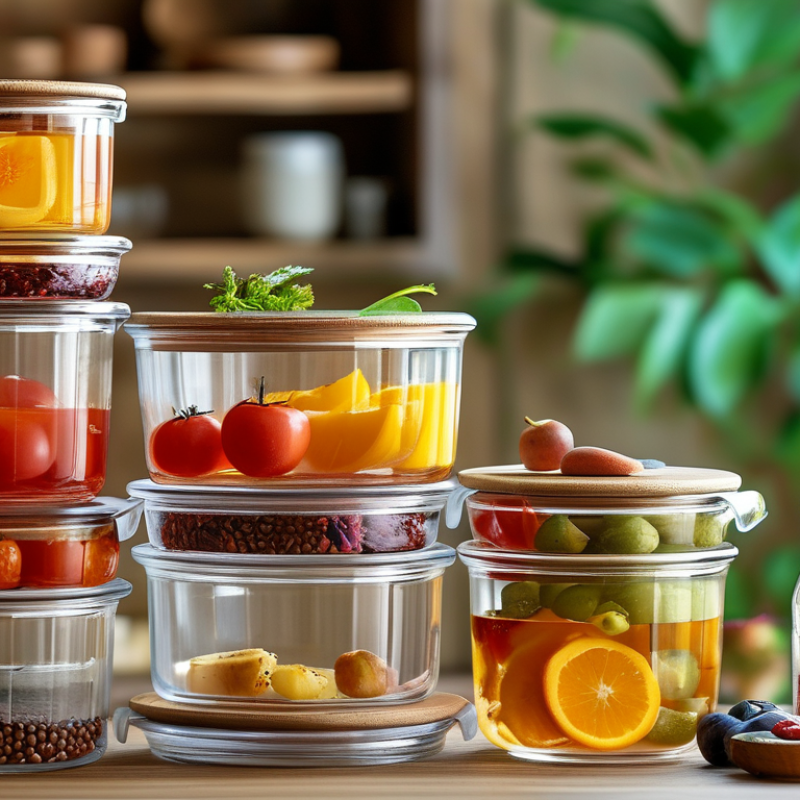
Understanding Different Types of Glass Food Containers
When exploring glass food containers, it's crucial to understand the types available. Glass containers come in various forms, each with its unique characteristics. There are baking dish-style containers that are versatile for cooking and serving. They can withstand high temperatures and are ideal for casseroles or cakes.
Another option is the storage container, which is perfect for meal prep. These typically have airtight lids to keep food fresh longer. They come in different sizes, accommodating anything from leftovers to large meals. It's interesting to note that some containers are designed for freezing. These often have thicker glass to resist temperature changes.
Consideration of your specific needs is essential. The style you choose should match how you plan to use the containers. Do you often store sauces or salads? Look for wider openings or specific shapes. Understanding these distinctions can lead you to the right choice. However, even the best containers can have their drawbacks, such as potential breakage or difficulty in cleaning. Choosing the right glass food container involves balancing these factors carefully.
Evaluating Size and Storage Capacity for Your Needs
When selecting a glass food container, size and storage capacity are crucial. According to the Food Storage Container Market Report 2023, 70% of consumers prioritize capacity over material type. It's essential to assess your storage habits and meal prep needs before making a choice. For example, if you frequently batch-cook, larger containers are more practical. On the other hand, smaller containers are ideal for snacks or lunch portions.
Consider the dimensions of your kitchen storage. A report by the National Kitchen and Bath Association indicates that 50% of homeowners lack sufficient cabinet space. Therefore, optimizing space is critical. A collection of various sizes can ensure versatility. However, remember that too many options can lead to clutter. It's a balance between having enough choices and maintaining organization.
Think about how often you will use the containers. If you use them daily, durability and ease of cleaning can become significant factors. Research shows that 65% of consumers prefer containers that are dishwasher safe. Yet, some glass containers may not withstand extreme temperatures. Recognizing this limitation can help you avoid future frustration. Reflecting on your needs will lead to a more informed decision about size and storage capacity for your food containers.
Assessing Lid Types and Their Impact on Freshness
When selecting a glass food container, the type of lid plays a crucial role in maintaining freshness. Airtight lids are essential for keeping food safe from spoilage. They prevent air from entering, which can cause bacteria growth. A simple twist on the lid can significantly affect the quality of your meals. Glass containers with silicone seals may provide an extra layer of protection. However, silicone may wear over time, leading to potential leaks.
Consider containers with snap-on lids. They often create a secure fit but might not be as effective long-term. Regularly check the integrity of the lid. Cracks or warping can lead to contamination of your food. Visual inspections are easy but significant. Proper care is necessary to maintain the container and its lid.
One might ponder the practicality of reusable lids versus single-use options. Reusable lids tend to save money in the long run. Yet, they could harbor bacteria if not cleaned properly. It’s crucial to establish a cleaning routine for all parts of the container. Balance convenience with safety when deciding on your glass food storage options.
Considering Safety and Durability Features in Glass Containers
When assessing glass food containers, safety and durability are paramount. There are many options on the market, but not all glass is created equal. Choose containers made from borosilicate glass. This type is known for its resistance to thermal shock. It can withstand sudden temperature changes, reducing the risk of cracks.
Consider the lid material as well. Silicone lids provide a secure seal while ensuring no harmful chemicals leach into your food. Look for BPA-free options. Durability matters, especially if you plan to use the container frequently. Robust construction can withstand daily wear and tear, but keep in mind that some glass may still chip or break.
Reflect on how you plan to use these containers. If you often reheat food in the microwave, ensure the glass is microwave-safe. Despite their advantages, glass containers have limitations. They may feel heavy, and dropping one can lead to a mess. Balancing safety and convenience is key to making an informed choice. Make sure to check for certifications that guarantee safety and quality.
Exploring Eco-Friendly Options and Their Benefits
When choosing a glass food container, eco-friendly options deserve special attention. These containers are made from sustainable materials that reduce environmental impact. Unlike plastic, glass does not leach harmful chemicals. This makes it a safer choice for storing food. You can also find containers with silicone lids, which are durable and reusable.
Using glass containers helps minimize waste. They are long-lasting and can be recycled at the end of their life. These containers can withstand high temperatures, making them ideal for both the oven and fridge. However, not all glass is created equal. Some containers might chip or crack easily. Always check for durability before purchasing.
The aesthetic appeal of glass containers cannot be ignored. They look great in the kitchen and can double as serving dishes. Yet, heavier glass can be cumbersome. While they add elegance, they might not be practical for everyone. Consider your lifestyle when selecting your containers. Each choice should align with your values and daily habits.