How to Choose Custom Mailer Boxes for Global Shipping?
Choosing Custom Mailer Boxes for global shipping requires more than selecting an attractive size. The box must survive conveyor belts, stacked pallets, humid ports, and sudden temperature changes. It should also arrive looking intentional, not crushed or over-taped. Packaging expert Lisa McTigue Pierce has noted that effective packaging must balance protection, presentation, and logistics. That balance guides every decision in this article.
Start with the product’s real shipping conditions. Measure the item after adding tissue, inserts, or protective padding. Leave enough room for cushioning, but avoid a box that allows unnecessary movement. A ceramic mug, for example, needs different internal support than a folded sweatshirt. Small details matter. A tighter fit can reduce damage and dimensional weight charges.
Material selection deserves equal attention. Corrugated mailer board with suitable flute strength can improve stacking performance without adding excessive weight. Water-resistant coatings may help during rain exposure, although they cannot replace a reliable outer shipping system. Consider closure strength, tear resistance, print durability, and recycling expectations across destination markets.
There is no perfect box.
That is the uncomfortable part. A visually premium design may perform poorly in rough transit. A stronger board may increase costs and emissions. Testing should include drop tests, compression checks, vibration simulation, and practical trial shipments. Results can reveal weaknesses that specifications miss.
This guide explains how to compare Custom Mailer Boxes by size, materials, protection, branding, cost, and international shipping performance. The goal is not merely to create a box that looks good. It is to build packaging that protects the product, supports the customer experience, and remains dependable from warehouse shelf to final delivery.
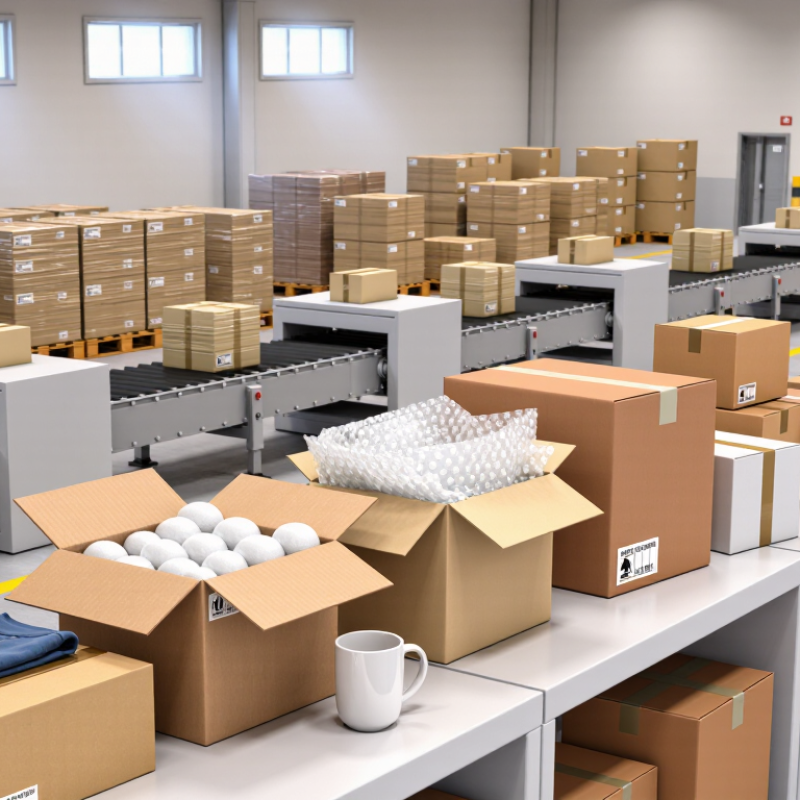
Define Product, Protection, and Branding Requirements
How to Choose Custom Mailer Boxes for Global Shipping?
Define Product, Protection, and Branding Requirements
Start with the product. Measure its length, width, height, weight, fragility, and surface sensitivity. A rigid item may need compression resistance, while cosmetics or electronics need cushioning and moisture control. Do not design around an attractive sample alone. Test it.
The 2024 Global E-Commerce Trends Report found that 64% of online sellers serve international customers. That reach makes protection requirements more complex. A mailer box may face vibration, stacking, humidity, and repeated handling. Select suitable corrugated board strength, secure closures, and limited void space. Run drop, compression, and vibration tests with the actual product inside. Laboratory results help, but field feedback can reveal problems earlier.
Packaging also carries the brand experience. Use accurate colors, readable instructions, and scuff-resistant printing. Keep graphics purposeful. Excessive ink or oversized boxes can increase material use and shipping costs. The Global E-commerce Packaging Market report by Smithers identifies online retail as a major driver of packaging demand through 2028. That growth raises expectations for efficient design. A box that opens cleanly, protects the product, and fits the shipment network usually performs better than a decorative box with weak corners. I have seen teams over-specify packaging after one failure. That reaction feels safe, but it can create unnecessary cost. Test, review the evidence, and revise the design.
Evaluate Customs, Labeling, and Packaging Compliance
How to Choose Custom Mailer Boxes for Global Shipping?
Custom mailer boxes must support customs, labeling, and packaging compliance across every destination. A box that works on one route may fail on another. Check each country’s customs guidance before production. Confirm the correct HS code, declared value, country of origin, and product description. These details should match the commercial invoice and shipping data exactly.
Keep labels flat, visible, and easy to scan. Avoid placing them across seams, folds, or textured printing. Use durable adhesive labels that can withstand rain, friction, and temperature changes. Include the recipient’s full address, sender details, tracking code, and required handling marks. Some destinations may require local-language information or specific recycling symbols. Do not assume one format fits every carrier.
Measure the packed box, not the empty one. Customs and carriers may calculate charges from dimensional weight. Choose board strength that protects the contents without creating unnecessary bulk. Test a sealed sample with realistic movement, stacking, and moisture exposure. Small details matter. I have seen careful designs overlook a label placed beneath a closing flap. That mistake can delay processing.
Use accurate sustainability claims. Recycled content, recyclability, and compostability can have different legal meanings. Verify these claims with suppliers and official local requirements. Packaging rules change, and printed assumptions become outdated quickly. Keep a destination checklist, review it before each shipment, and allow space for compliance labels without weakening the box structure.
Compare Suppliers, Costs, and Sustainable Options
Choosing custom mailer boxes for global shipping starts with supplier evidence, not attractive mockups. Ask for compression-test reports, material specifications, and recent export experience. A dependable supplier should explain board grade, flute profile, dimensions, and tolerances clearly. Request physical samples. Fill one with your actual product and drop it from table height. Then inspect crushed corners, loose seams, and movement inside. Real testing beats assumptions.
Compare delivered cost, not just unit price. Request quotes at 500, 2,000, and 10,000 units. Include tooling, artwork setup, sample fees, inner protection, freight, duties, and storage. A cheaper box can cost more when dimensional weight increases. Measure the packed box, including bulges. Ask suppliers about minimum order quantities and production lead times. For long routes, confirm moisture resistance and pallet packing. I once overlooked warehouse storage, and the “low” quote became less attractive. That mistake still shapes my comparison sheets.
Sustainable options need measurable details. Compare recycled content, fiber certification, water-based inks, and plastic-free finishes. Avoid vague claims such as “green” without documentation. Lightweighting can reduce emissions, but thinner board may raise damage rates. Test both versions across humid and dry conditions. Consider whether the box is easy to flatten and recycle locally. Recycling rules differ between destinations. Supplier reliability also matters: late production can force expensive air freight, undermining environmental gains. I would accept a slightly higher quote for consistent quality, traceable materials, and realistic delivery data.
Test Mailer Boxes Before Scaling Global Shipments
How to Choose Custom Mailer Boxes for Global Shipping?
Before scaling global shipments, test your custom mailer boxes with real products and realistic packing conditions. A box that survives a local delivery may fail after several transfers. Fill sample boxes to their intended weight. Add tissue, inserts, or protective sleeves if customers will receive them. Then check crushed corners, torn seams, shifting products, and damaged surfaces.
Use drop tests from different angles, including the bottom and weakest corner. Apply pressure to the lid and side panels. Store samples in warm, humid conditions before testing again. This reveals whether the board softens or the adhesive loses strength. Measure the packed box carefully, because small size changes can affect shipping costs. I once underestimated empty space; the product moved more than expected. That mistake was useful, but avoidable.
Tips: Test at least three box samples from different production batches. Ask several people to open and repack them. Record damage, packing time, and customer handling issues. Try a rough prototype first. It may expose problems earlier. Review printing, closures, and label placement before approving a larger order. If the box passes every test, repeat the process after changing materials, dimensions, or suppliers. Shipping conditions vary widely, so one successful test cannot represent every route.
Test Mailer Boxes Before Scaling Global Shipments
Compare actual weight with dimensional weight before approving a custom mailer box for international shipping. The dimensional-weight values below are calculated using the displayed packed dimensions and a planning divisor of 5,000 cm³/kg.
Measure the sealed package after inserting the product and protective materials. A box may be billed by dimensional weight when its volume is greater than its actual weight. Confirm the applicable divisor with each destination service, then perform drop, compression, vibration, and moisture checks before scaling production.