
top of page

How to Choose an Electric City Bike in 2026?

Choosing an electric city bike in 2026 requires more than comparing motor power and advertised range. Daily comfort, battery safety, repair access, and local riding conditions matter just as much. PeopleForBikes reported that U.S. e-bike sales exceeded one million units in 2022, showing how quickly electric cycling has entered mainstream transport. The International Energy Agency’s Global EV Outlook 2024 also identifies electric two- and three-wheelers as a major area of transport electrification, especially across Asian markets.

A reliable electric city bike should match your real routine. A 7-kilometer commute with steep streets needs different support from a flat, short grocery trip. Consider frame geometry, step-through access, hydraulic or mechanical brakes, tire width, lighting, and weather protection. Range is variable. Rider weight, hills, temperature, tire pressure, and cargo can reduce the manufacturer’s estimate. That number is not a promise.

Battery certification and service support deserve close attention. Look for clear information about charging systems, replacement batteries, warranty coverage, and recognized safety standards such as UL 2849 or EN 15194, where applicable. Bosch eBike Systems’ market research and technical guidance also emphasize regular maintenance, correct charging, and inspection of braking components. Still, premium branding does not guarantee perfect ownership. I may be too cautious about service networks, but a beautiful bike becomes frustrating when a simple sensor fault requires weeks of waiting. This guide compares the practical details that shape comfort, safety, cost, and long-term value when selecting an electric city bike in 2026.
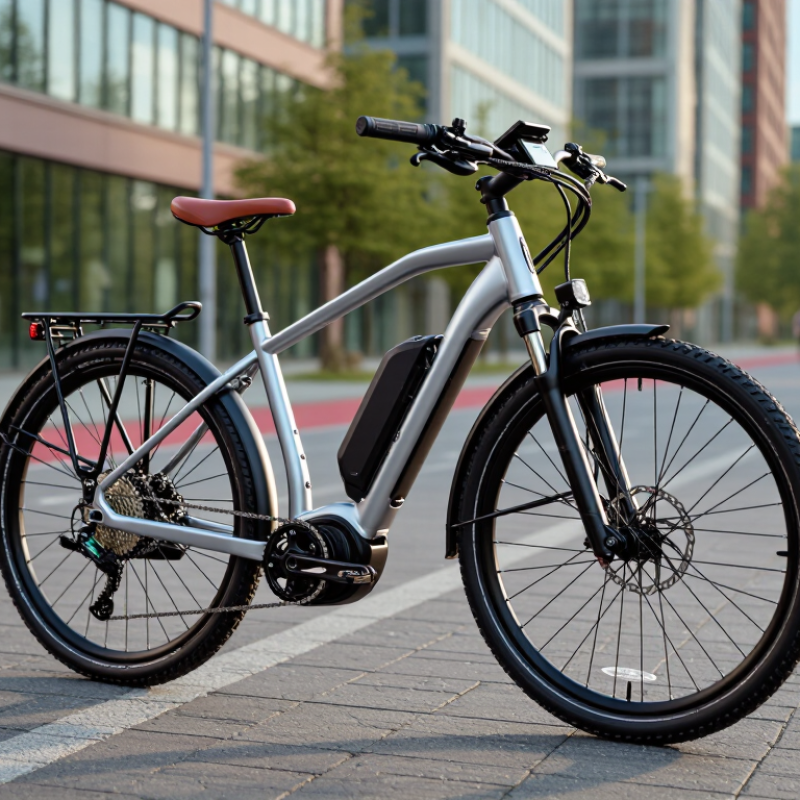
How to Choose an Electric City Bike in 2026?

Define Your Daily Riding Needs and Urban Travel Conditions

Before choosing an electric city bike, map your ordinary week, not your most ambitious ride. Note the distance to work, grocery stops, and any regular detours. A six-mile commute can feel very different when it includes two steep hills and a heavy backpack. Think about where you will park, too. A narrow apartment hallway or crowded bike rack may make a bulky frame inconvenient. Small details matter.

Pay attention to the streets you actually use. Smooth paths, broken pavement, rain-slick corners, and frequent stoplights each affect comfort and control. If your route includes rough patches, wider tires and a stable riding position may feel more reassuring. Hills and repeated starts can increase battery demand, while cold weather may reduce the distance available from a charge. Leave some range in reserve; your daily trip rarely follows a perfect script. I once underestimated the time spent waiting at crossings, and the ride felt less predictable than my map suggested.

Also consider your routine at the destination. Will you carry the battery indoors, climb stairs, or leave the bike outside during a short errand? Measure the storage space and check whether charging is practical nearby. A short test ride on a similar surface can reveal an awkward reach or firm saddle that specifications cannot. Be honest about your habits. If you dislike riding in heavy traffic, a faster bike may not solve the real problem.

Compare Motor Types, Power Ratings, and Pedal-Assist Systems

Choosing an electric city bike in 2026 starts with matching the motor to your streets. Hub motors sit in a wheel and often feel direct, with little maintenance around the drive system. Mid-drive motors work through the pedals, which can feel more natural on steep roads. They may also shift more load onto the chain. Try both if possible. A quiet motor can still feel surprisingly strong at a junction.

Check the rated power, but do not judge a bike by that number alone. Power ratings describe output under defined conditions; acceleration, hill climbing, and battery range also depend on weight, gearing, and software settings. On a test ride, pedal up a familiar slope and notice whether assistance arrives smoothly or surges. Pedal-assist systems usually offer several levels. Low settings suit flat commutes, while higher settings help with hills but drain the battery faster. The right level should support your effort, not make the pedals feel disconnected.

Tips: Test the bike with your usual bag, then try each assist level on a quiet route. Check whether the display is readable in sunlight and whether the assist changes smoothly when you start pedaling. Small details matter. I would not assume the advertised range matches every ride; wind, cold weather, and frequent stops can change it considerably.

Evaluate Battery Range, Charging Options, and Replacement Costs

For a city e-bike, treat advertised range as a best-case estimate, not a promise. Cold mornings, hills, heavy loads, and frequent stops can all drain the battery faster. A 2024 European Commission review of light electric vehicles notes that real-world energy use varies with vehicle design and riding conditions. Check whether a range figure comes from a controlled test or everyday riding. Then choose a battery with enough reserve for your longest regular trip. A little margin helps.

Charging access matters as much as capacity. If you live upstairs, a removable battery can save daily hassle; confirm its weight and whether charging indoors is practical. Ask how long a full charge takes, and whether the charger can be replaced separately. Keep the battery away from extreme heat. Small habits matter.

Replacement costs need careful checking. BloombergNEF reported an average lithium-ion battery pack price of $115 per kilowatt-hour in 2024, but that is an industry-wide benchmark, not a retail e-bike battery quote. E-bike replacements can cost more because of casing, electronics, compatibility, and service. Ask a local repair shop for the battery, labor, and disposal costs in writing. Also check warranty duration and what capacity loss it covers. I would not assume today’s low pack prices mean cheap replacements later.

How to Choose an Electric City Bike in 2026? — Evaluate Battery Range, Charging Options, and Replacement Costs
Evaluation Dimension Practical Reference What to Check Before Buying Why It Matters
Battery capacity Many city e-bikes use batteries in the approximate 400–750 Wh range. Compare watt-hours (Wh), not voltage alone. A higher Wh rating generally stores more energy, but may add weight and cost. Capacity is a useful starting point for estimating range, but it does not guarantee a particular distance.
Real-world range Approximately 20–60 miles (32–97 km) per charge is a broad practical planning range for many models. Ask for estimates under conditions similar to your commute, including assist level, hills, rider and cargo weight, and temperature. Advertised maximum range may assume low assistance, light loads, and favorable terrain.
Range per charge A simple estimate is battery capacity in Wh divided by average energy use in Wh per mile or kilometer. For example, a 500 Wh battery at an average use of 15 Wh per mile gives an estimated 33 miles before accounting for reserve and changing conditions. This calculation is only an estimate; riding style, wind, tire pressure, stops, and hills can change consumption substantially.
Charging time Roughly 4–7 hours is common for a full charge, depending on battery size, charger output, and the battery's starting charge level. Check the manufacturer's stated charging time and whether the charger is included. Follow the supplied charging instructions. A shorter charge time can help with frequent use, but charger compatibility and safe charging practices matter more than speed alone.
Charging options Some batteries charge on the bike; others can be removed and charged indoors. Available arrangements vary by design. Confirm whether the battery is removable, how it locks, and whether you have a suitable indoor outlet and storage location. Removable charging can be convenient for apartment dwellers or riders who cannot bring a bike indoors.
Electricity cost per full charge At an illustrative electricity rate of $0.16 per kWh, a 500 Wh (0.5 kWh) charge uses about $0.08 of electricity before charging losses. Use your local electricity price and battery capacity: battery kWh × price per kWh. Actual wall energy may be slightly higher due to charging losses. Electricity is usually a small part of ownership cost; battery replacement and maintenance are typically more important budget items.
Battery service life Many lithium-ion e-bike batteries are commonly rated for several hundred full-equivalent charge cycles; exact ratings vary by battery and use. Check the warranty, cycle-life information, and care guidance. Frequent deep discharges, heat, and unsuitable storage conditions can affect longevity. Battery capacity gradually declines with use and age, so range may decrease before the battery stops working.
Replacement battery cost A broad planning allowance is approximately $400–$900 for a compatible replacement battery; specialist or unusually large batteries can cost more. Ask for the current price of the exact compatible battery and confirm availability, warranty, and replacement procedure. A proprietary or difficult-to-source battery can make long-term ownership more expensive even when the initial bike price is attractive.
Replacement compatibility Battery fit, electrical connections, voltage, and control-system compatibility must match the bike. Get written confirmation that replacement batteries will be available for the expected ownership period. Physical fit alone does not ensure electrical compatibility or safe operation.
Best match for a short commute A modest-capacity battery may be sufficient when daily distances are short and charging is convenient. Compare the commute distance with a conservative real-world range estimate and leave a reserve for weather, detours, and battery aging. A smaller battery can reduce purchase cost and weight if it reliably meets the rider's needs.
Best match for longer or hilly rides A larger-capacity battery can provide more energy reserve, though hills and high assistance can still reduce range. Prioritize tested range under demanding conditions, accessible charging, and the cost and availability of a replacement battery. Planning around the most demanding regular trip helps avoid relying on optimistic maximum-range claims.
Important comparison note Range, charging time, battery life, and replacement prices vary by battery design, riding conditions, region, and seller. Treat figures in this table as general planning estimates and verify specifications and prices for the exact bike before purchase.

Check Frame Design, Comfort Features, Safety, and Practical Equipment

How to Choose an Electric City Bike in 2026?

Start with the frame, because it shapes everyday handling. A step-through design can make mounting easier at crowded racks or in work clothes, while a sturdier frame may feel steadier with a loaded rear carrier. Check that the battery does not make the bike awkward to lift up a short curb. Fit matters more than a sleek silhouette: when seated, you should reach the handlebars without locking your elbows. Small detail, big difference. A brief test ride can reveal pressure points that a specification sheet cannot.

Comfort is practical, not decorative. Look for a saddle that suits your riding position, adjustable handlebars, and tires wide enough to soften rough pavement. A suspension fork may help on broken streets, but it adds weight and maintenance. Safety deserves the same close inspection: test both brakes, confirm the lights are visible in daylight, and check that cables and controls are easy to reach.

The National Association of City Transportation Officials reported 133 million shared micromobility trips in the United States in 2023, showing how routinely people use bikes and scooters for city travel. Your private bike still needs dependable equipment.

For daily errands, consider a stable kickstand, a rear rack rated for your intended load, full-length fenders, and a bell. Try the bike with a grocery bag secured; a swinging load can change balance more than expected.

A 2023 PeopleForBikes and NPD Group analysis reported U.S. electric-bike sales grew 240% from 2019 to 2021. Popularity is not proof of fit, though. I would also check how easily the battery comes off for charging. That detail is easy to overlook.

Assess Total Ownership Cost, Maintenance Needs, and Long-Term Value

Choosing an electric city bike in 2026 requires more than comparing the purchase price.

I record every likely cost before riding a new model. Include the bike, charger, lock, lights, insurance, registration where required, and delivery fees. A low-priced bike can become expensive after two repairs. Ask for a written warranty and confirm which parts it covers. Battery coverage deserves careful attention.

Maintenance is usually modest, but it is not zero. Expect brake-pad checks, tire inflation, chain cleaning, bolt inspections, and software updates. A practical routine takes ten minutes each week.

Keep the battery cool, dry, and partly charged during long storage. Local service access matters more than glossy specifications. I would rather choose a common tire size than a rare component needing overseas shipping. That preference may reduce performance slightly, but it can shorten downtime.

Estimate five-year value using realistic riding habits. Divide the total cost by expected miles or commuting days, then add electricity and routine service. Ask whether the battery remains replaceable after several years. If replacement requires discarding the entire bike, long-term value falls sharply.

I once underestimated theft protection and spent more on security than expected. That mistake changed my checklist. A test ride should include hills, wet pavement, parking, and carrying the bike upstairs. Comfort and repairability often matter after the excitement fades.

bottom of page