7 Tips for Choosing a Hot Melt Roller Coating Machine?
Selecting the right Hot Melt Roller Coating Machine can shape product quality, production speed, and operating costs. It is not simply a matter of choosing the largest model. The correct machine must match your adhesive type, coating width, substrate, and daily output. A roller system that performs well on packaging film may struggle with textiles or foam. Small differences matter.
This guide presents seven practical tips for making a more confident decision. It examines heating accuracy, roller design, coating consistency, speed control, cleaning requirements, safety features, and supplier support. In real production environments, adhesive temperature can drift when the line runs continuously. That drift may create uneven coverage, stringing, or weak bonding. Ask for test results using your actual materials. Brochures are useful, but factory trials reveal more.
Look closely at maintenance access. Can operators remove residue without wasting hours? Check whether replacement rollers, heaters, and sensors are easy to obtain. Energy consumption also deserves attention, especially during long shifts. A lower purchase price may hide higher maintenance costs. It happens often. I have seen machines selected for speed alone become expensive after a few months. That experience supports a slower, evidence-based evaluation.
No machine is perfect. Your process may change later. Therefore, consider adjustment range, operator training, and future production needs before signing an order. Reliable suppliers should explain limitations clearly, provide technical documentation, and support installation. With careful comparisons and honest testing, these seven tips can help you choose equipment that delivers stable results rather than attractive promises.
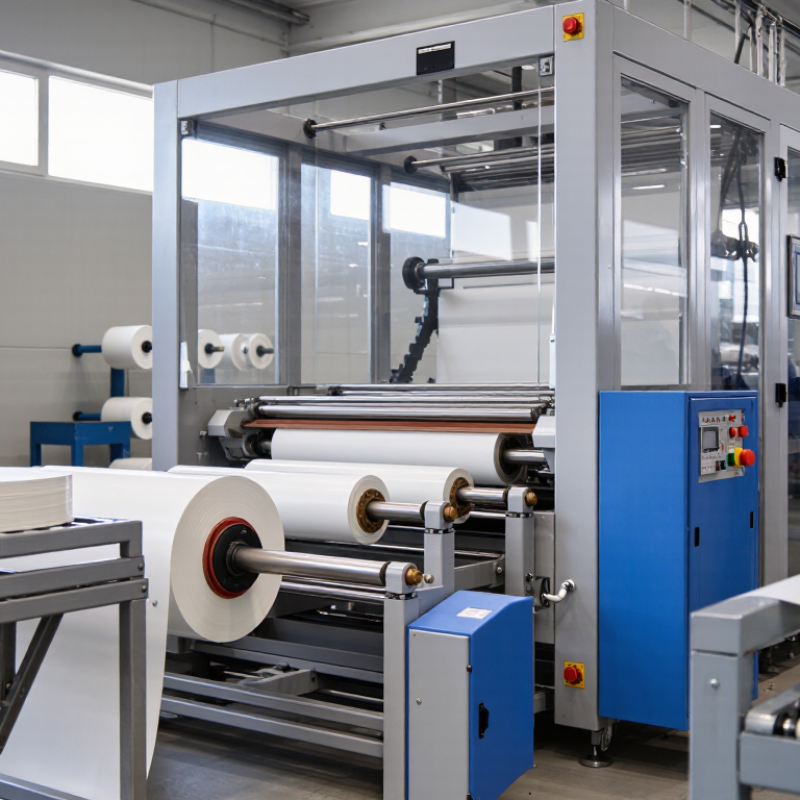
Define Your Hot Melt Roller Coating Requirements
Before choosing a hot melt roller coating machine, define what your process must accomplish. Record substrate type, width, thickness, surface energy, and heat tolerance. A paper label stock behaves differently from a foam panel or technical film. This distinction affects roller design, heating capacity, and web handling. Measure the coating width, target coat weight, line speed, and daily operating hours. Measure carefully.
Your adhesive data is equally important. Confirm melting range, viscosity at working temperature, open time, and application temperature. Ask whether the material requires continuous heating or tolerates short pauses. A small temperature drop can create stripes, poor wetting, or unstable coating weight. Test the adhesive at several speeds and temperatures, then compare peel strength and appearance. Keep these records. Operators often discover that a machine runs well in a trial but struggles during long production shifts.
Define acceptable variation before speaking with equipment suppliers. Set limits for coat weight, edge accuracy, surface defects, startup waste, and cleaning time. Include the available space, electrical supply, ventilation, and operator access. Safety interlocks and guarding should match the working environment and local requirements. Leave room for future materials if your product range may change. Yet, avoid paying for capacity you cannot use. Document the weak points in your current process. That honest list may reveal that roller coating is not the only issue.
Compare Machine Types, Heating Systems, and Coating Methods
Choosing a hot melt roller coating machine requires more than checking output speed. Compare machine types first. A single-roller design suits simple, thin coatings. A multi-roller system offers better thickness control for films, fabrics, and laminates. Slot-die coating can improve precision, but it usually demands cleaner material handling and tighter calibration.
Heating design matters just as much. Electric cartridge heating reacts quickly, while oil-based systems often provide steadier temperatures across wider rollers. The U.S. Department of Energy reports that process heating uses about 51% of industrial energy consumption. Therefore, insulation, heat recovery, and standby controls deserve serious attention. Ask whether the machine measures roller surface temperature or only internal temperature. These readings can differ noticeably. Small detail, costly mistake.
Coating method should match the adhesive and substrate. Direct roller coating works well with stable, medium-viscosity hot melts. Gravure-style rollers can create controlled patterns, but cleaning becomes more demanding. According to Grand View Research’s 2024 hot melt adhesives analysis, demand is supported by packaging, transportation, and hygiene applications, with continued market growth expected through 2030. That growth does not make every machine suitable. Check coating width, line speed, viscosity range, heating zones, and changeover time. I sometimes overvalue maximum speed; practical uptime matters more. Request trial coating data, inspect edge uniformity, and compare energy use at normal production speed. Short tests reveal inconvenient truths.
Assess Supplier Support, Total Cost, and Future Production Flexibility
7 Tips for Choosing a Hot Melt Roller Coating Machine
Supplier support affects production more than a polished demonstration. Ask for documented start-up procedures, operator training, spare-parts lead times, and remote troubleshooting. Request references from plants using similar adhesive weights and web speeds. Deloitte’s 2024 Smart Manufacturing Survey reports that 86% of manufacturers view smart manufacturing as a major competitiveness driver within three years. That makes control-system support important, not decorative. Check whether technicians can diagnose temperature drift, roller wear, and uneven coating remotely.
Purchase price is only one line on the budget. Calculate energy use, adhesive waste, cleaning time, replacement rollers, and planned downtime. The U.S. Department of Energy notes that industrial motor systems can represent a substantial share of plant electricity consumption, so efficient drives deserve close attention. Ask for measured power data under your actual operating conditions. Estimates can be optimistic. They often are. A useful supplier should provide a total-cost model with assumptions clearly stated, including labor and maintenance intervals.
Future flexibility protects the investment. Confirm whether the machine can handle different adhesive viscosities, coating widths, substrate thicknesses, and production speeds. Modular heating zones and adjustable roller pressure can support new products without a full replacement. The PMMI 2024 Packaging Compass identifies automation, labor efficiency, and adaptable equipment as continuing investment priorities across packaging operations. Still, flexibility has limits. More options may increase setup complexity and training needs. Test a difficult substrate, change coating weight, and inspect the finished web before signing.
7 Tips for Choosing a Hot Melt Roller Coating Machine
Assess supplier support, total cost, and future production flexibility before making a purchase decision.
The chart shows a practical procurement weighting model on a 100-point scale. Supplier support and total cost receive the highest priorities because installation, maintenance, spare parts, energy use, and downtime directly affect long-term operating results. Production flexibility is also essential when product widths, coating weights, or hot melt materials may change in the future.