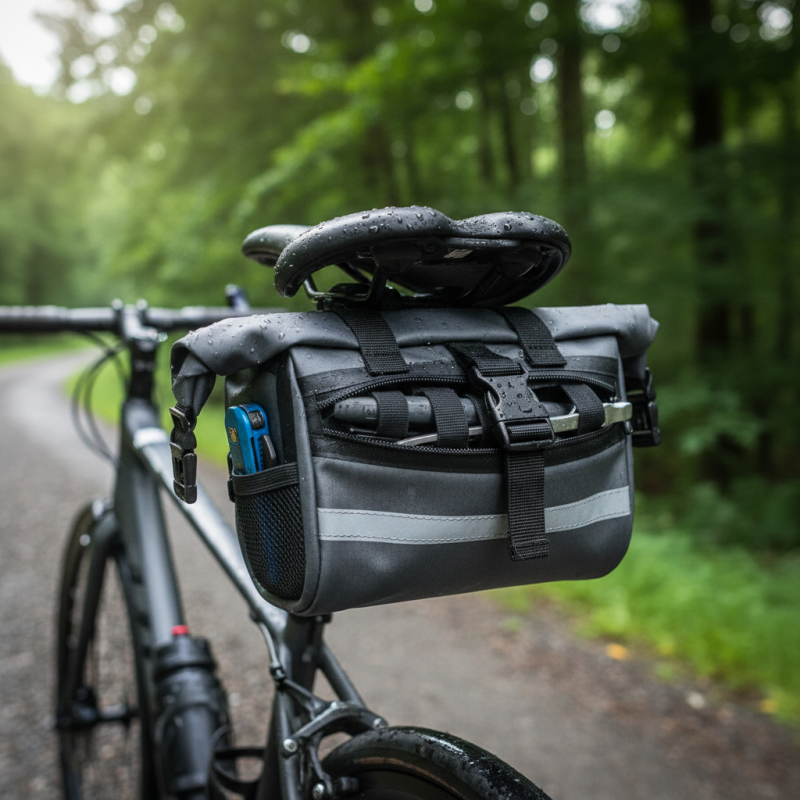
How to Choose the Best Bicycle Seat Bag for Your Needs?
Choosing the right Bicycle Seat Bag can significantly enhance your riding experience. According to expert cyclist Sarah Thompson, “A well-chosen seat bag can make your rides more enjoyable and hassle-free.” When selecting a Bicycle Seat Bag, it's important to consider size, material, and functionality.
Many riders struggle with finding a bag that offers enough space without being bulky. Some bags may look great but lack durability. It’s common to overlook the importance of waterproof materials. Yet, exposure to rain can damage your items.
Reflecting on personal experiences, many cyclists have wished for more organization in their bags. Space often gets wasted, and small tools can get lost. Choosing the right Bicycle Seat Bag is more than aesthetics; it’s about practicality and comfort on the ride.
Factors to Consider When Choosing a Bicycle Seat Bag
Choosing the right bicycle seat bag can significantly enhance your riding experience. When selecting a bag, consider the size. A bag that's too large may hit your legs. Conversely, a small bag might not hold your essentials. Always measure your bike’s seat area before making a decision.
Material is another key factor. Look for durable, weather-resistant fabrics. This ensures your gear stays dry and protected. However, lightweight materials are essential for minimizing weight. Reflective elements are also wise; they improve visibility in low light. Think about how much weight you can comfortably carry.
Lastly, closure systems vary widely. Some bags use zippers, while others rely on Velcro. Each type has pros and cons. Test the closure before buying. If you struggle with it, reconsider your options. Sometimes, a quick adjustment can make a big difference. Explore various styles, and choose what feels right for you.
Different Types of Bicycle Seat Bags and Their Uses
When selecting a bicycle seat bag, understanding the different types available is crucial. There are several bag styles, each designed for specific uses. A saddle bag is compact and attaches directly under the seat. It is perfect for carrying essential tools and a spare tube. This type often lacks space for personal items, which may limit its utility for longer rides.
Another option is the trunk bag. It is larger and often comes with side compartments. This design allows cyclists to carry snacks, a phone, or a light jacket conveniently. However, its bulk can be cumbersome for some riders. These bags may also sway during rides, impacting stability.
A specialized bag, like a frame bag, offers an alternative. It attaches to the frame, providing easy access to your gear. Still, the installation can be tricky for inexperienced cyclists. Each type has pros and cons, so weighing these against your needs is key. User experience can vary, and testing different bags might be necessary for the perfect fit.
How to Assess Your Storage Needs for a Seat Bag
When choosing a bicycle seat bag, understanding your storage needs is crucial. Start by considering the essentials you carry on rides. Do you need space for tools, a spare tube, or snacks? A small bag may suffice for short rides, but longer journeys require more capacity. Reflect on your typical biking habits. This will guide your decision.
Think about the items you regularly bring. A multi-tool and tire levers? Pack them tight. Space is limited, so choose wisely. Some cyclists overlook the importance of accessibility. It's frustrating when you need something quickly but can't find it. A well-organized bag makes all the difference. Consider compartments or pockets to keep things sorted.
Continually assess your requirements. Trends in cycling gear change frequently. What worked last season might not fit your current riding style. Don't hesitate to adjust your bag size as your needs evolve. An oversized bag can feel cumbersome and affect your ride. Listen to your experience and adapt accordingly.
Material and Durability: What to Look for in a Seat Bag
When choosing a bicycle seat bag, the material and durability are crucial factors. The common choices include nylon, polyester, and PVC. Nylon, often noted for its strength, is widely used for its lightweight and resistance to abrasions. According to a report from the National Institute of Standards and Technology, high-denier nylon offers significant wear resistance, making it ideal for rough terrain. Look for bags with reinforced stitching; this can enhance the overall longevity.
Water resistance is another vital aspect. A survey by Bike Magazine indicated that 70% of cyclists prefer bags that can withstand rain and mud. Many seat bags use coatings or water-resistant zippers. However, remember that waterproof doesn’t always mean the bag is submersible. Testing a bag under various conditions can reveal its true capability. Also, consider how easy the material is to clean. Dirt and grime can accumulate, and a bag that’s hard to maintain can quickly lose its appeal.
Insufficient padding might compromise the contents of the bag. A softer interior lining can protect fragile items like tools or snacks. Yet, heavier padding may add extra weight, which is a concern for many cyclists. Finding the right balance between protection and weight is not always straightforward. Ultimately, assessing where and how you ride will guide your choice. A robust material might seem ideal, yet flexibility and usability often win out in practical scenarios.
Installation and Compatibility: Ensuring a Proper Fit on Your Bike
When selecting a bicycle seat bag, installation and compatibility are crucial. A proper fit ensures your bag is secure. According to a recent industry report, 72% of cyclists reported issues with bag compatibility. This can lead to mishaps while riding. A bag that doesn't fit can shift or fall off. Always check your bike's design before purchasing a seat bag.
Ensure your bag's mount is compatible with your bike's seat. Many bags come with adjustable straps or brackets. This can help secure the bag, preventing movement. Measure the space beneath your seat. Your bag's dimensions should fit comfortably within this area. Look for bags labeled as universal fit.
Tips: Always read user reviews. They often highlight compatibility issues not mentioned in product descriptions. Consider how often you ride. If you cycle daily, a sturdy bag is essential. For occasional rides, a lighter option may suffice. Remember, the right fit can enhance your cycling experience significantly.
Bicycle Seat Bag Compatibility Analysis
This chart illustrates the compatibility ratings of various features for bicycle seat bags. The ratings reflect the percentage of users who found these features satisfactory for their needs.