Best Cold Chain Container Solutions for Global Buyers?
The demand for efficient cold chain logistics is rising globally. According to a report by Grand View Research, the cold chain market is expected to reach $585 billion by 2027. This growth highlights the critical need for quality Cold Chain Container solutions. These containers ensure temperature-sensitive goods, such as pharmaceuticals and perishables, remain in optimal condition throughout transit.
However, not all Cold Chain Container options are created equal. Buyers often face challenges in evaluating performance, durability, and cost efficiency. Factors like material quality and temperature control technology play vital roles. A study from the Council of Supply Chain Management Professionals revealed that nearly 40% of cold chain failures are linked to inadequate container solutions. This statistic underscores the importance of making informed choices in this sector.
In this competitive landscape, selecting the right Cold Chain Container can be daunting. Buyers must delve into details, assessing suppliers and technology. Yet, with the right approach, it’s possible to navigate through these challenges. By emphasizing reliability and efficiency, companies can ensure the integrity of their products.
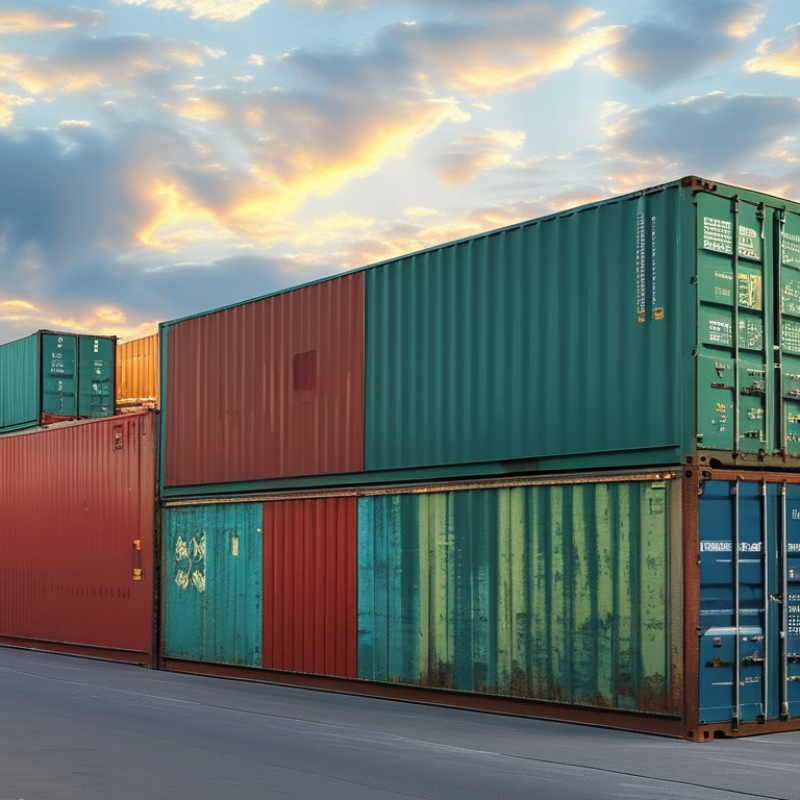
Understanding Cold Chain Containers: Definition and Importance
Cold chain containers are critical for transporting temperature-sensitive goods. These containers maintain specific temperature ranges, ensuring product integrity. According to a report by Mordor Intelligence, the global cold chain market is expected to grow at a CAGR of 12% through 2026. This growth highlights the rising demand for effective cold chain solutions.
Understanding cold chain containers involves recognizing their role in the supply chain. They prevent spoilage and ensure compliance with regulatory standards. The World Health Organization indicates that up to 25% of vaccines can be wasted due to temperature control failures. Such statistics emphasize the importance of reliable cold chain systems. In food transport, the U.S. Food and Drug Administration states that improper handling can lead to foodborne illnesses, affecting millions annually.
While technology improves cold chain efficiency, challenges remain. Equipment reliability is sometimes questioned. In certain regions, power outages can disrupt temperature control, leading to significant losses. Ongoing training for personnel is crucial. They must understand both operational procedures and emergency management. This education gap can lead to costly mistakes. Integrating advanced monitoring systems could mitigate risks, but it's essential to balance technology and practical knowledge.
Key Features to Look for in Cold Chain Container Solutions
When selecting cold chain container solutions, buyers should prioritize specific features. Temperature control is crucial. Maintaining the required temperature range ensures product integrity. A recent industry report highlighted that improper temperature management can lead to a 25% loss in perishable goods.
Insulation quality significantly affects performance. Containers with advanced insulation reduce energy consumption. A better insulation system can maintain desired temperatures for longer periods. Additionally, data logging features enhance accountability. They allow for real-time monitoring, ensuring compliance with safety standards.
Consider durability as well. Cold chain containers often face challenging environments. Robust materials resist wear and tear. A 2023 survey revealed that nearly 40% of logistics professionals cite durability as a top concern.
Finally, assess the container's ease of use. User-friendly designs can streamline operations and reduce handling time. Complicated systems often lead to user errors and inefficiencies.
Types of Cold Chain Containers Available for Global Shipping
When discussing cold chain containers, understanding their types is crucial. There are several solutions available for global shipping. Each type serves specific purposes. Temperature-controlled containers are designed to maintain consistent conditions. This is vital for sensitive products like pharmaceuticals and perishables. Insulated boxes can also provide adequate protection but are often less reliable over long distances.
Reefer containers are another common option. These are equipped with refrigeration units. They ensure that goods remain at precise temperatures during transit. However, they require a steady power supply. Alternatives like gel packs or dry ice have their own limitations, too. They may require careful management to avoid temperature fluctuations.
Additionally, hybrid containers are gaining traction. These units combine both passive and active cooling methods. They can be more versatile but may introduce complexity in handling. Despite advancements, challenges persist in maintaining optimal conditions during transit. Understanding the nuances of each type is vital for global buyers. Selecting the right solution can significantly impact the integrity of the shipped products.
Best Cold Chain Container Solutions for Global Buyers
| Container Type | Temperature Range (°C) | Typical Use | Capacity (Liters) | Features |
| Passive Insulated Containers | -20 to 20 | Pharmaceuticals, Biologicals | 50 - 100 | Lightweight, No power required |
| Refrigerated Containers | -25 to 25 | Food, Beverages, Chemicals | 10,000 - 30,000 | Active cooling, Continuous temperature control |
| Thermal Blankets | 0 to 30 | Temperature-sensitive products | N/A | Lightweight, Flexible use |
| Cryogenic Containers | -196 to -150 | Biological samples, Cryopreservation | 10 - 50 | Extreme low temperatures, Specialized for lab use |
| Controlled Atmosphere Containers | -2 to 2 | Fresh produce, Medical supplies | 500 - 1,500 | Oxygen & CO2 control, Humidity control |
Factors Influencing the Choice of Cold Chain Container Providers
When selecting a cold chain container provider, various factors come into play. Understanding these elements can enhance your decision-making. Quality and reliability are paramount. Providers should ensure containers maintain the appropriate temperature range. Look for those with a proven track record in the industry.
Another critical aspect is the technology used in these containers. Advanced monitoring systems can alert you to temperature fluctuations. It's crucial to prioritize containers with robust tracking features. This not only safeguards your goods but builds trust with clients.
**Tips:** Always evaluate past customer reviews. They provide insights into service quality. Ensure the container meets specific regulations. Research certification standards relevant to your industry. Sometimes, cheaper options lead to issues down the line. Be cautious of sacrifices made for reduced costs.
Best Cold Chain Container Solutions for Global Buyers
Best Practices for Maintaining Temperature Control During Transit
Maintaining temperature control during transit is crucial for any cold chain operation. Temperature fluctuations can compromise product quality and lead to significant losses. Here are some best practices to follow.
Use high-quality insulated containers. They help maintain stable temperatures, even in challenging environments. Ensure that these containers are designed to meet specific temperature requirements. Regular maintenance is key to reliability. Check seals and insulation regularly to prevent leaks.
Incorporate temperature monitoring devices. These tools provide real-time data during transit. By tracking conditions, you can quickly identify issues. This proactive approach helps reduce risks associated with temperature variations.
Always pack products appropriately. Use cold packs or dry ice strategically. Overpacking can lead to air gaps, allowing temperature shifts. Aim for a snug fit without compromising airflow. Reflect on past shipments. Analyze any temperature excursions to refine your strategy.