What Is the Best Aluminium Melting Pot from China?
Choosing the best aluminium melting pot from China requires more than comparing prices and photographs. The right vessel must match your alloy, furnace, working temperature, batch size, and casting routine. A pot used for small workshop pours may need different features from one serving a continuous production line.
In practice, experienced buyers inspect wall thickness, pouring-lip design, handle strength, and surface finish. They also ask for material details, dimensional drawings, sample testing, and documented quality checks. A reliable aluminium melting pot should resist thermal cycling and remain stable during repeated heating. However, no catalogue can show every weakness. Small casting defects may appear only after several heating cycles.
Supplier credibility matters as much as the product itself. Check manufacturing experience, inspection procedures, production capacity, and communication quality. Independent testing can confirm composition, dimensions, and heat resistance when the application is demanding. It is also wise to clarify packaging, replacement support, and delivery responsibilities before ordering. Details matter.
This guide compares practical factors behind Chinese aluminium melting pots, including construction, capacity, compatibility, safety, and total operating value. The “best” option is not always the thickest or cheapest model. A heavier pot may retain heat well but increase handling effort. A low-priced unit may seem attractive, yet inconsistent finishing can create avoidable maintenance problems. These trade-offs deserve honest attention. The recommendations below are based on measurable specifications, supplier verification, and real operating considerations, while recognizing that testing conditions can differ from one workshop to another.
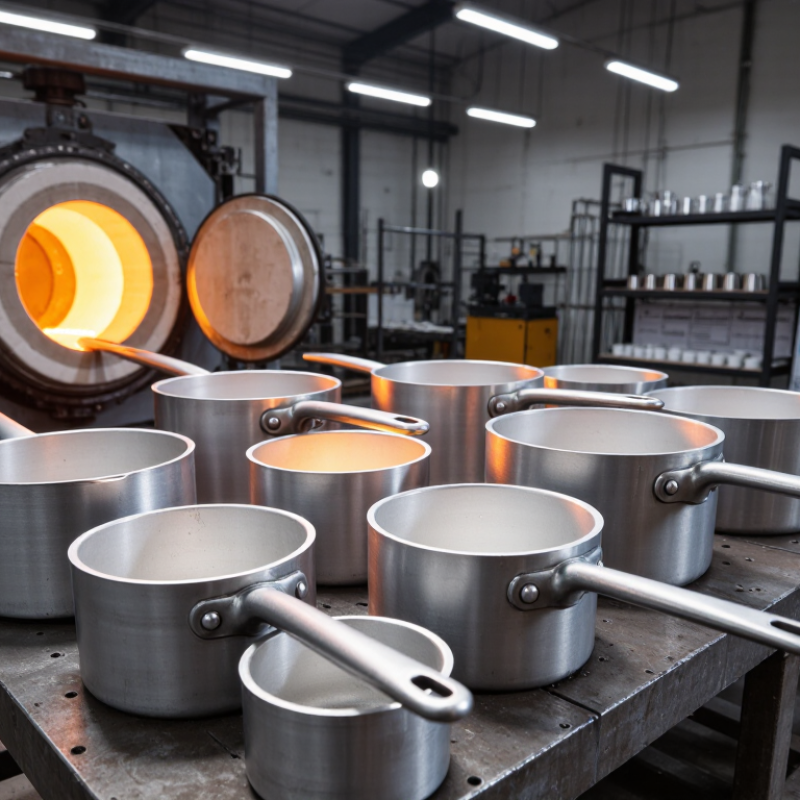
Types of Aluminium Melting Pots Made in China
Choosing the best aluminium melting pot from China starts with the metal, furnace, and production scale. The International Aluminium Institute reported about 70.6 million tonnes of primary aluminium production in 2023. Its data also indicates that recycling aluminium uses roughly 5% of the energy needed for primary production. These figures explain the demand for durable, reusable melting equipment.
China-made aluminium melting pots usually include graphite, silicon carbide, cast iron, steel, and refractory ceramic types. Graphite pots heat quickly and resist chemical attack, but careless handling can crack them. Silicon carbide pots offer strong thermal shock resistance and suit repeated foundry work. Cast iron pots are economical for basic applications, although oxidation and contamination require attention. Steel pots are tough and affordable, but they may deform at higher temperatures. Refractory ceramic pots provide good insulation and clean metal contact, yet they can be brittle. The USGS Mineral Commodity Summaries 2024 continues to identify aluminium as a major industrial metal, supporting careful equipment selection across casting operations.
Tips: Match the pot capacity to actual batch weight, not the furnace label. Leave headspace for stirring and thermal expansion. Check wall thickness, pouring lip quality, and temperature compatibility. Ask for material certificates and heating-cycle test records. A small trial batch is sensible. I would not trust a polished surface alone; internal cracking can remain invisible. That judgment is easy to overlook.
Key Materials and Features of a High-Quality Melting Pot
What Is the Best Aluminium Melting Pot from China?
A high-quality aluminium melting pot begins with the right material. Aluminium melts at 660.3°C, according to the NIST Chemistry WebBook. However, the pot must tolerate repeated heating, thermal shock, and oxidation. Silicon carbide and graphite are common crucible materials because they transfer heat efficiently and resist aluminium adhesion. A steel outer shell can improve handling, but it should not contact molten metal directly.
Material quality matters more than appearance. The International Aluminium Institute reports that recycled aluminium needs about 5% of the energy used for primary aluminium production. This encourages efficient melting, but recycled feedstock can carry oxides and impurities. A pot with a smooth inner surface helps reduce metal loss during skimming. Small details matter.
A reliable Chinese-made pot should include clear specifications for wall thickness, maximum temperature, chemical composition, and capacity. Ask for thermal-cycle testing, dimensional inspection, and inspection records before ordering. ISO 9001 certification may support process control, but it does not guarantee every crucible performs well. That point is easy to miss.
Look for a stable base and a reinforced pouring lip. The handle should remain firm after repeated heating. A thick pot is not always a better pot; excessive mass can slow heating and increase energy use. This is where selection becomes imperfect. Actual furnace temperature, alloy type, loading method, and operator habits can change service life considerably.
How to Choose the Right Aluminium Melting Pot for Your Furnace
What Is the Best Aluminium Melting Pot from China?
How to Choose the Right Aluminium Melting Pot for Your Furnace
The best aluminium melting pot is not selected by price alone. It must match your furnace, output, and working conditions. Measure the furnace chamber before ordering. A pot that fits tightly may heat unevenly and become difficult to remove. Leave practical clearance around the vessel.
Check the pot’s working capacity, not only its total volume. Aluminium expands and may splash when filled too high. For regular production, choose a pot with a sensible safety margin. The material also matters. Dense graphite, silicon carbide, and cast iron each handle heat differently. Confirm the rated temperature and resistance to thermal shock. Inspect wall thickness, pouring edges, and lifting points. These details affect daily handling. In my view, a slightly heavier pot can be worthwhile, although excessive weight slows operations. That trade-off is easy to overlook.
Tips: Match the pot diameter with the furnace opening. Ask for heat-treatment details and inspection records. Check whether replacement parts are available. Test the empty pot gradually during its first use. Sudden heating may cause cracking. Keep a simple log of heating time, surface wear, and metal loss. It may reveal problems earlier than visual checks. Specifications are useful, but real furnace behavior can differ. Recheck your choice after several cycles.
Safety Standards and Quality Checks for Chinese Melting Pots
Choosing the best aluminium melting pot from China requires more than comparing prices. Safety begins with verified material quality. Ask for the aluminium alloy designation, chemical composition report, and material traceability records. A reliable supplier should explain the production process clearly.
Inspect the pot for cracks, pinholes, uneven walls, and rough casting marks. These defects can worsen during repeated heating. Check the wall thickness at several points, not only at the rim. Handles must remain stable under the stated working load. The lid should fit securely without blocking safe ventilation. Request heat-cycle testing, dimensional inspection, and leak testing when applicable. Also confirm the rated temperature and recommended heating method. Standards may differ by market, so match the documentation with your local workplace requirements. A certificate alone is not enough. I have learned that attractive paperwork can still hide weak quality control.
Tips: Use a small trial order before bulk purchasing. Photograph the pot before use, then inspect it after its first heating cycle. Watch for warping, discoloration, or loose handles. Keep a written inspection record. It sounds simple, but it helps reveal repeated defects. If the supplier avoids questions, pause the purchase. Even experienced buyers can miss small flaws.
Comparing Suppliers, Prices, and Customization Options in China
Choosing the best aluminium melting pot from China requires more than comparing catalog prices. Supplier capability matters. China produced approximately 41.6 million tonnes of primary aluminium in 2023, according to the International Aluminium Institute. This large industrial base supports strong foundry supply chains, but quality still varies between factories. Request material certificates, dimensional drawings, heat-treatment records, and photographs from actual production batches. Documentation matters.
Indicative quotations often range from USD 30 to USD 180 for small and medium crucibles, depending on capacity, lining material, wall thickness, and order quantity. Larger custom units can exceed USD 500 before freight and tooling. These figures are practical sourcing ranges, not fixed market prices. Aluminium prices averaged about USD 2,256 per tonne in 2023, according to the World Bank Commodity Markets Outlook, so raw material costs remain an important negotiation factor. Ask whether the quotation includes molds, export packaging, testing, and replacement parts.
Customization may include a reinforced pouring lip, lifting handles, drainage geometry, temperature-sensor ports, or a ceramic-graphite lining. For repeated melting, request thermal-shock testing and a stated service-life estimate. A supplier offering the lowest price may use thinner walls. That can increase cracking risk. My own comparison was less neat than expected; two suppliers used similar product photos but provided different tolerances. A sample order helps reveal casting quality, surface porosity, lid fit, and actual weight. Check the supplier’s inspection process, production experience, and response to technical questions before selecting a long-term partner.